Food guide
Snapping turtle and softshell: catch, clean and cook
A big snapping turtle has a lot of good meat, but it is dangerous to handle and hard to clean; small turtles are barely worth it, and box turtles are never food.
Page numbers below are from the US Army Survival Manual (FM 21-76) unless another source is named. Each one opens that page.
In many states, snapping turtles and softshell turtles are taken under fishing rules: you need a fishing license, and there are seasons, size limits and catch limits. Check this year's state rules. Do not take painted turtles, sliders or other small turtles. Box turtles are protected and may never be taken.
Ways to catch it
 Hook and lineLicense and season
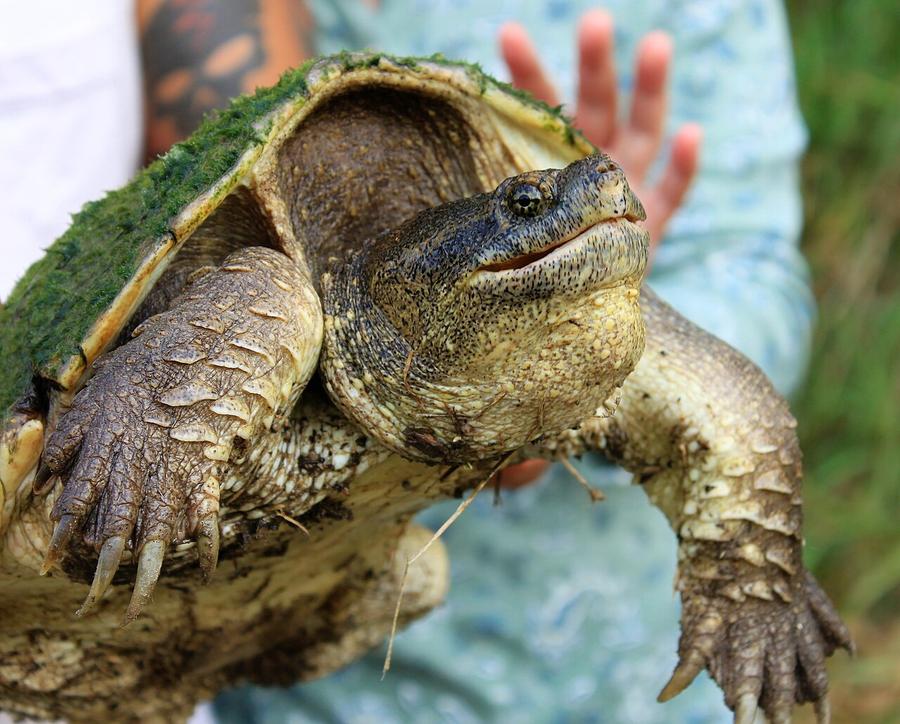
Snapping turtles take a baited hook on the bottom, especially fish scraps or guts. Use strong line; a big snapper pulls hard.
Needs a fishing license. Check this year's rules for turtle season, size limits and legal methods.
p. 113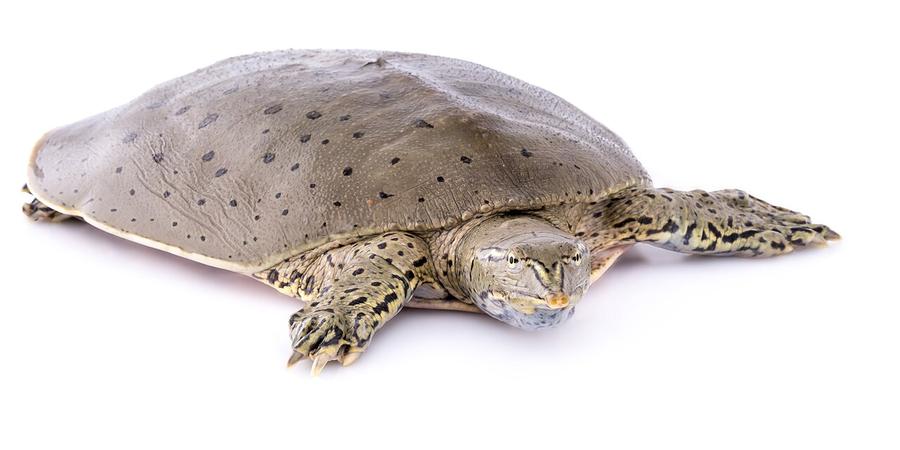 By hand in shallow waterLicense and season
Turtles sun on logs and walk the shallows. Never grab the front or sides of a snapper or softshell; both have long necks and can reach far back. If you must lift one, hold it by the back of the shell, far from the head, and keep it away from your legs.
Needs a fishing license, in season, and the turtle must meet the size limit.
p. 148Box turtles (high, domed shell that closes up tight, found on land) eat poisonous mushrooms and their meat can be poisonous; cooking does not fix it. Painted turtles and sliders are small, barely worth the work, and can carry salmonella germs.
Box turtles are protected in many states. Leave painted turtles and sliders alone too.
p. 97Clean it, step by step
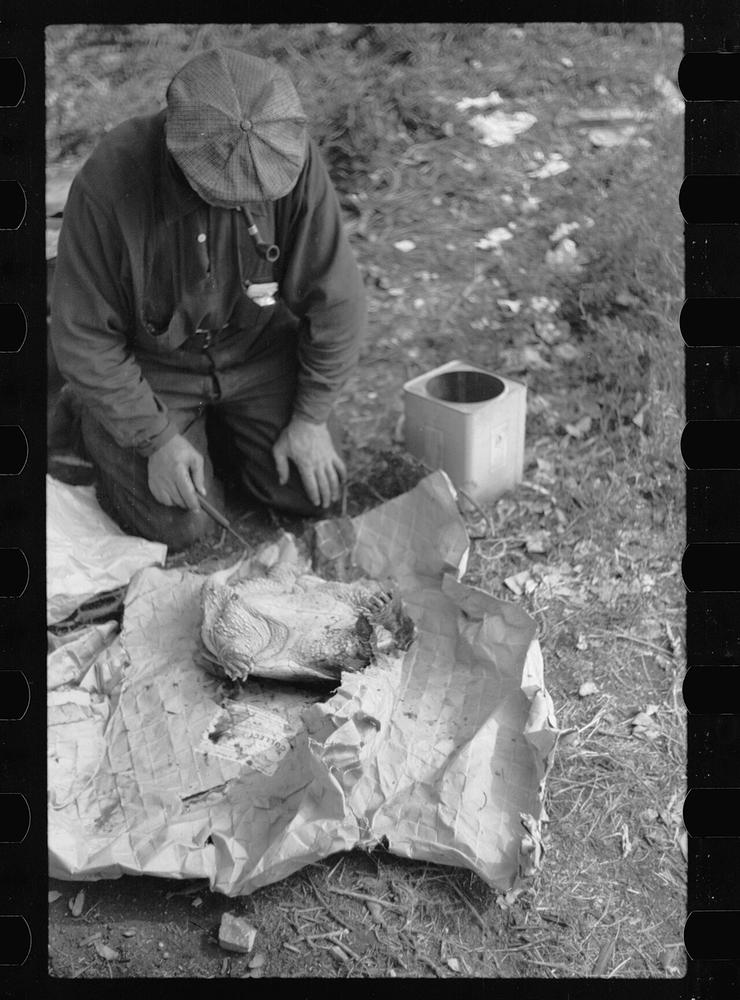
Kill the turtle before you handle it. A cut-off snapping turtle head can still bite for a while (general knowledge, not the manual), so bury it right away, the way the manual does with a snake head.
Military Survival and Rescue Guide, page 82Hang it head-down for a while so the blood drains (general practice, not the manual).
Cut through the skin all around the edge of the shell where the skin meets it (general practice, not the manual).
Cut through the two side "bridges" that join the top and bottom shell, then lift off the bottom shell (general practice, not the manual).
Pull out the guts. Keep the heart and liver, and check the liver the same way as any animal: smooth, wet and dark is good.
p. 122Cut out the four legs, the neck and the tail. These hold most of the meat. Skin each piece (general practice, not the manual).
Boil the top shell clean if you want a pot: the manual heats food and water in a turtle shell over a flame.
p. 167
Cook it, step by step
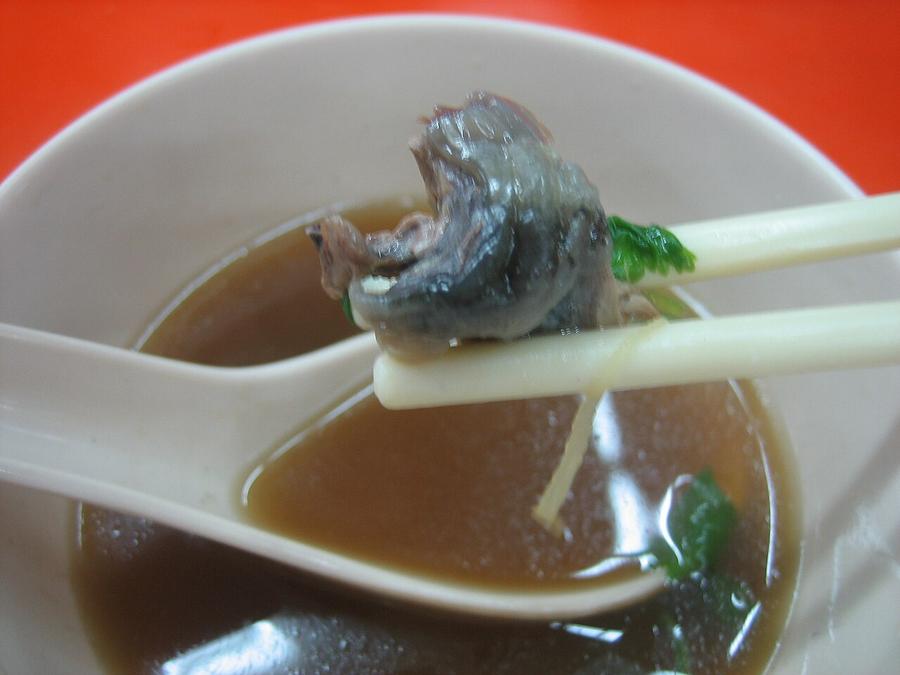
Boil the pieces until the meat pulls off the bone. Snapping turtle is tough and needs a long, slow boil.
Military Survival and Rescue Guide, page 87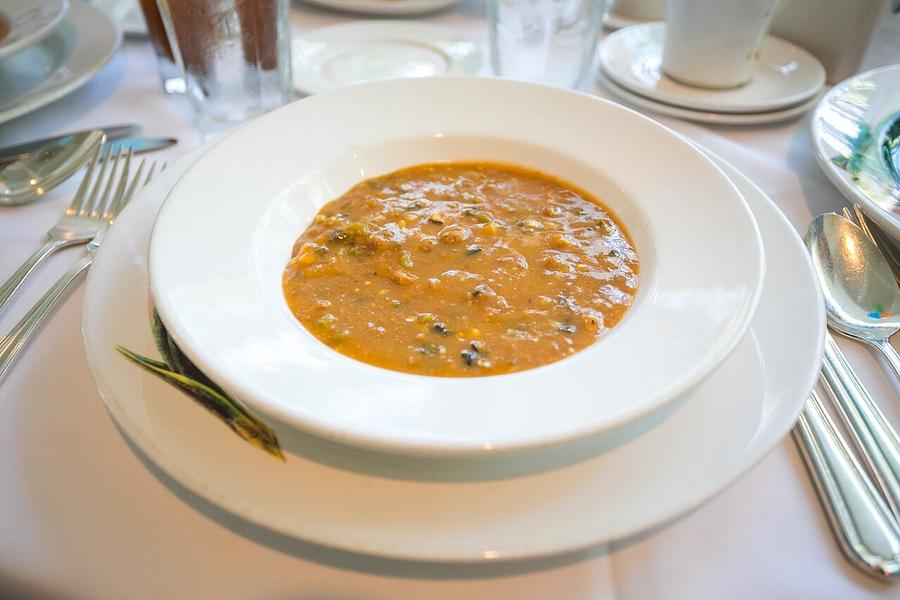
Pick the meat off the bones, put it back in the broth with greens and roots, and make soup.
p. 123Always cook turtle well. The manual says reptiles should be cooked; raw meat can carry parasites. Cook to 165 F (general food safety, not the manual).
p. 97
Stay safe
- Snapping turtles and softshell turtles bite to defend themselves and can cut off fingers and toes. p. 148
- Never eat a box turtle. It can be poisonous, and cooking does not destroy the poison. p. 97
- All turtles can carry salmonella germs. Wash your hands well after touching any turtle (general food safety, not the manual).
- All snakes are treated as protected here. This app does not teach snakes as food.
The app shows what has been seen near your ZIP code, with photos, and can read a photo you take.