Poisonous plant
Poison hemlock: the deadly look-alike of wild carrot
Poison hemlock grows along roadsides, ditches and field edges in almost every state. Every part of it is poisonous to eat, and it looks enough like wild carrot and parsley that people have died from the mistake.
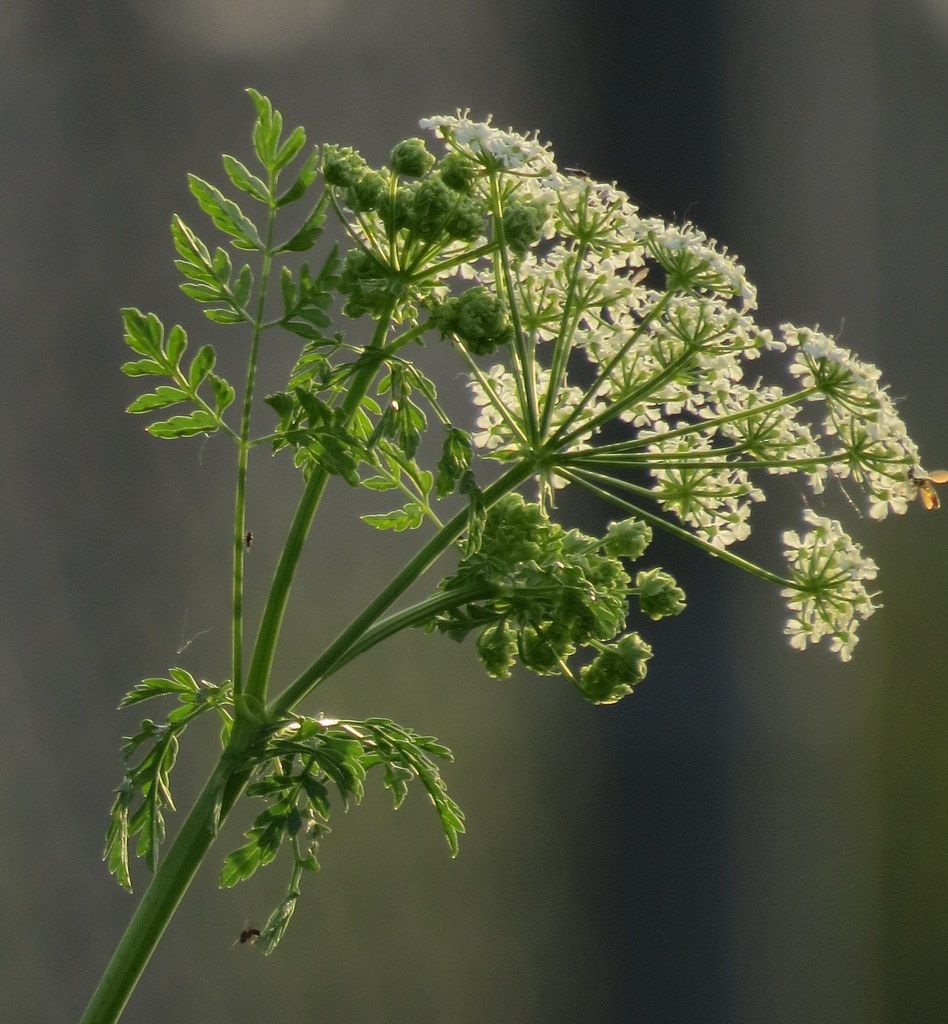
How to tell it
- Tall: usually 2 to 10 feet, in thick stands.
- Smooth, hairless, hollow stem with purple streaks or blotches.
- Lacy, fern-like leaves that give off a musty, unpleasant smell when crushed.
- Small white flowers in umbrella-shaped clusters in late spring and summer.
Where you find it
The National Park Service reports it has spread to almost every state. Look in moist ground along roads, trails, ditches, creeks and the edges of fields and meadows.
Scientific name: Conium maculatum
Look-alikes
Its stem is hairy and has no purple blotches, and its flower head is often a flat lace with one dark floret in the center.
Wild parsnip has yellow flowers, not white, and no purple spots.
Also deadly. It has purple-marked stems too, but grows in wet ground and has a cluster of thick roots at the base.
Why it is dangerous
Eating even a small amount can stop a person's breathing. The survival manual says it has killed people who mistook it for wild carrots and wild parsnips. The sap can also irritate skin, so wear gloves if you have to pull it, and wash afterward.
What to do
- If anyone may have eaten any part of it, call the Poison Help line or 911 right away. Do not wait for symptoms.
- Take a piece of the plant (in a bag, handled with gloves) or a clear photo to help doctors.
- If sap gets on the skin, wash it off with soap and water.
- Keep children and pets out of the patch. It is poisonous to livestock too.
The free app reads your photo, names the likely match, shows its look-alikes, and tells you what has been seen near your ZIP code.
Sources
- US Army Survival Manual, pages 127 and 432
- National Park Service: Poison hemlock
- US Fish and Wildlife Service: Don't touch these plants!
Written in our own words from these public sources.