Food guide
Sassafras and mint teas: find, pick and prepare
Sassafras root and wild mint make warm, good-smelling teas that can settle a stomach and lift your mood.
Page numbers below are from the US Army Survival Manual (FM 21-76) unless another source is named. Each one opens that page.
On private land, ask the owner first. Many state nature preserves ban picking anything. Some state parks allow picking fruit, nuts and mushrooms for your own use, but digging roots, cutting plants or peeling bark may not be allowed, so check the rules of the park you are in (city, county and national parks have their own rules too).
Ways to find and pick it
Find sassafras by its three leaf shapes on one tree: a mitten, a three-fingered leaf and a plain oval. Scratch a twig: it smells like root beer. Pick young twigs and leaves, or dig a small piece of root from a young sapling.
p. 387Mint grows in damp ground by streams. It has a square stem, leaves in pairs, and a strong mint smell when you crush a leaf (how to spot it is general knowledge, not the manual). Pick the top leaves.
p. 136Blackberry, strawberry and young rose leaves also make tea. See Berries and wild fruit.
p. 331Clean and prepare it, step by step
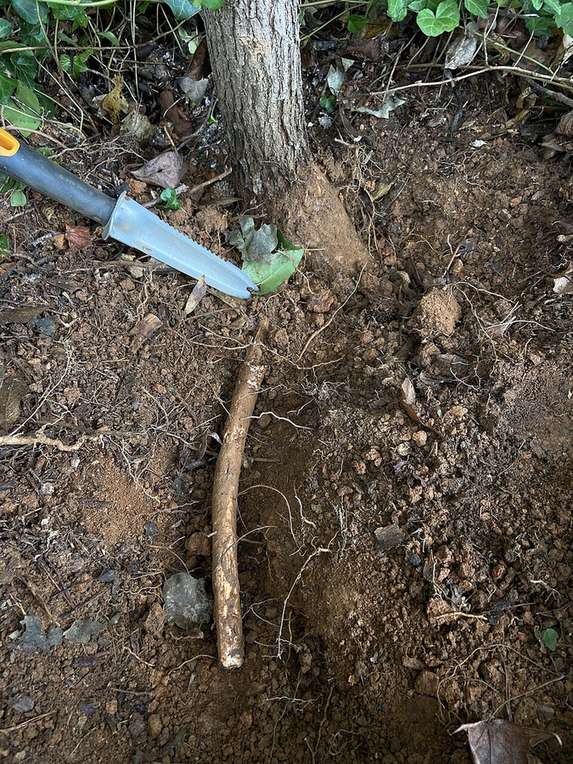
Sassafras root: scrub off the dirt, peel off the bark of the root, and let the bark dry.
p. 387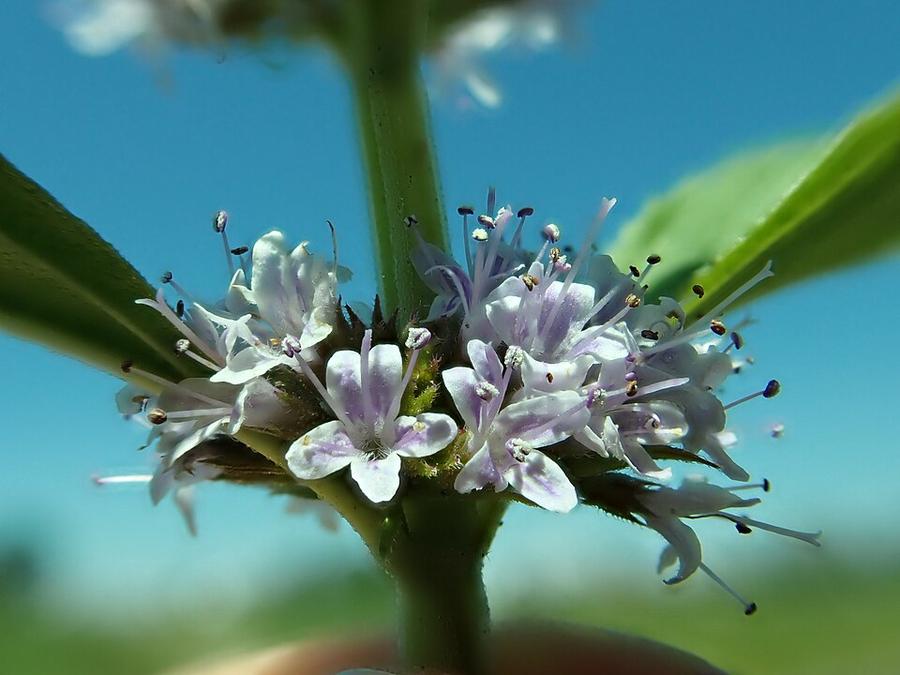
Rinse mint leaves and crush them a little to wake up the smell (general knowledge, not the manual).
p. 136Sassafras twigs and leaves: pick young ones and dry them for soup.
p. 387Throw out any leaves that are old, wilted, moldy or spotted.
Military Survival and Rescue Guide, page 84To keep leaves and twigs, hang them in bunches somewhere dry and airy.
p. 387
Cook or eat it, step by step
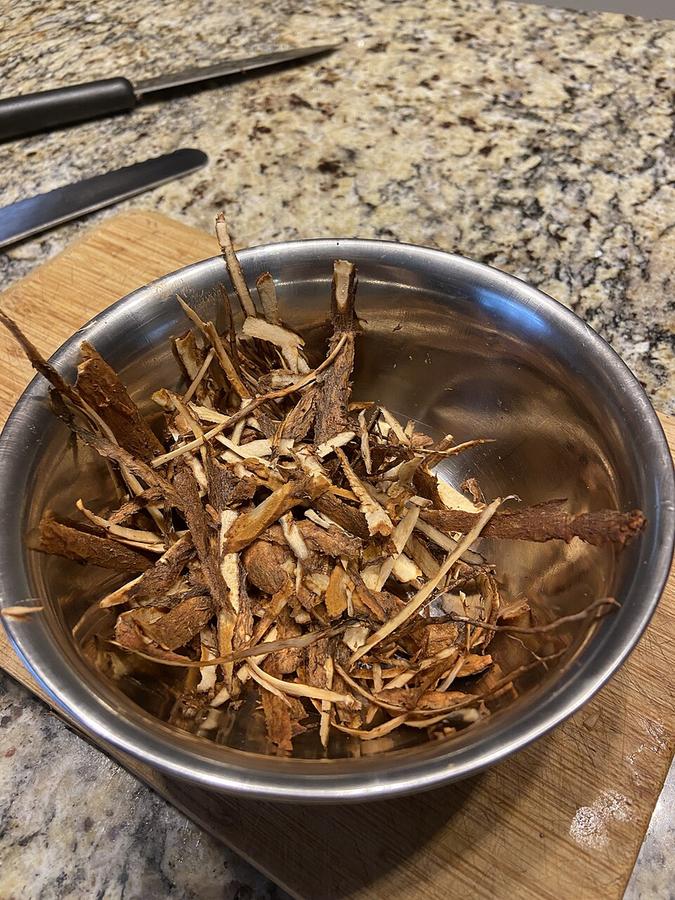
Sassafras tea: boil the dried root bark in water until the water turns reddish brown (the color is general knowledge, not the manual).
p. 387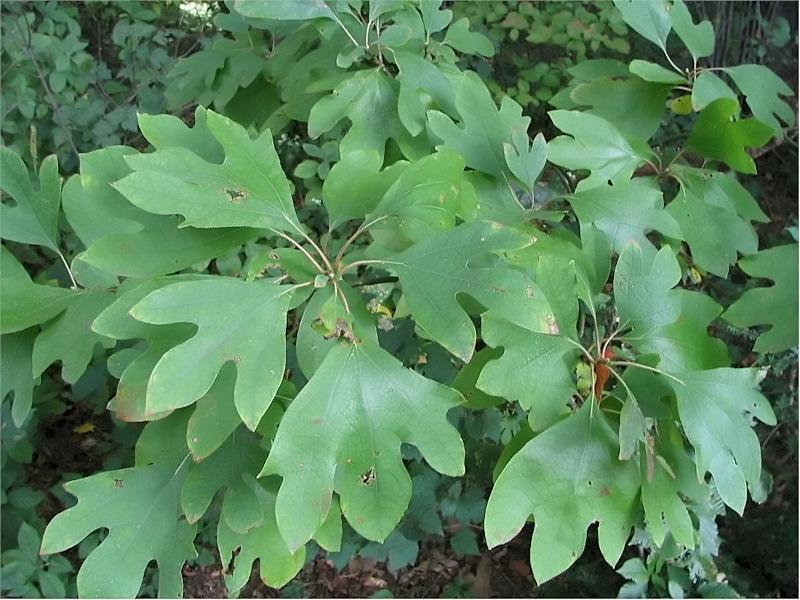
Add dried young sassafras twigs and leaves to soup.
p. 387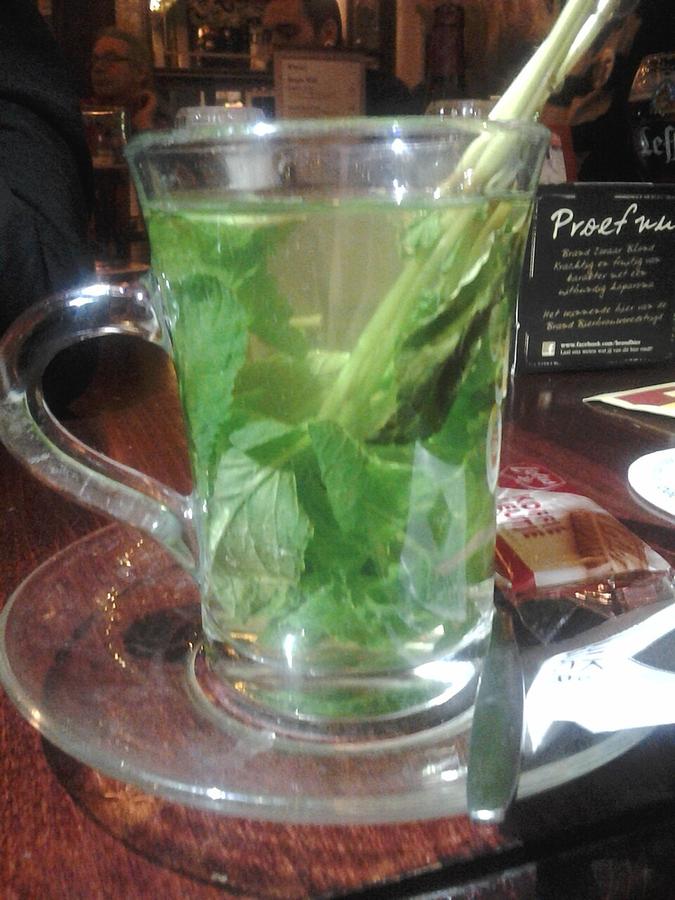
Mint tea: put a few leaves in a cup, pour hot water over them, cover, and let it steep. The manual uses mint tea to settle the stomach and help you sleep.
p. 135
Stay safe
- Be 100% sure of the plant. Sassafras is easy to know by its three leaf shapes and root beer smell; mint by its square stem and mint smell. No smell, no tea. p. 387
- Sassafras root contains safrole. The US government banned it in food in 1960 because it caused liver cancer in lab animals. Drink sassafras tea only once in a while, and never when pregnant (general food safety, not the manual). p. 387
- The manual treats teas as medicine: start with small amounts and give them time. p. 135
- The manual's Universal Edibility Test is only for an emergency when you cannot name a plant at all. It tests one part of one plant at a time and takes more than 24 hours for each part. It is not a shortcut, and it never works for mushrooms. pp. 128 to 131
- This app's photo reader never tells you a plant in your photo is safe to eat. Check the plant in person, from every side, with a field guide or someone who knows it. p. 137
The app shows what has been seen near your ZIP code, with photos, and can read a photo you take.