Food guide
Wild greens: find, pick and prepare
Everyday weeds like dandelion, nettle and plantain are some of the most nourishing food outdoors, and they grow almost everywhere.
Page numbers below are from the US Army Survival Manual (FM 21-76) unless another source is named. Each one opens that page.
On private land, ask the owner first. Many state nature preserves ban picking anything. Some state parks allow picking fruit, nuts and mushrooms for your own use, but digging roots, cutting plants or peeling bark may not be allowed, so check the rules of the park you are in (city, county and national parks have their own rules too).
Ways to find and pick it
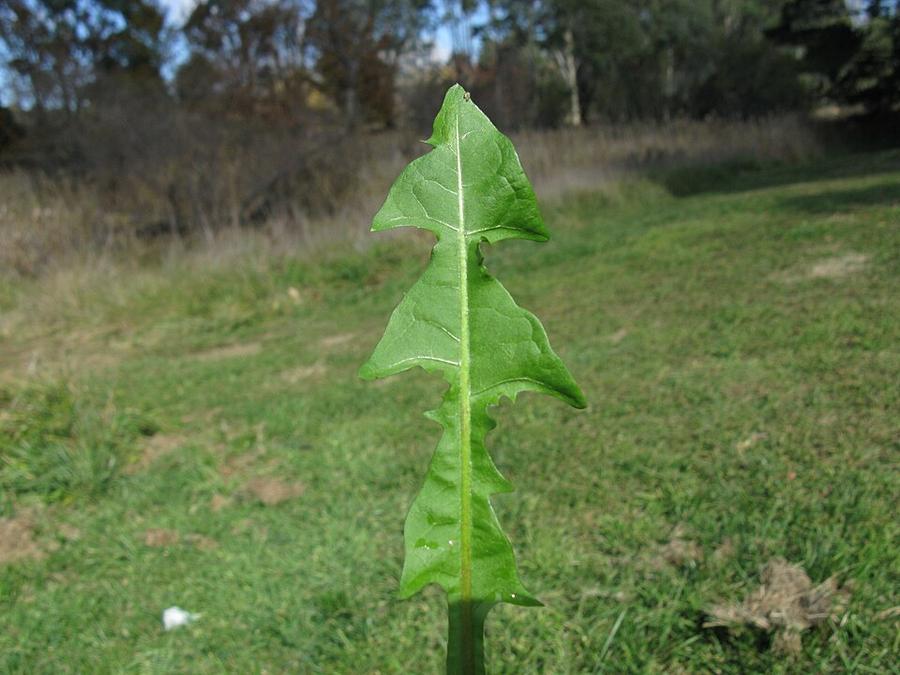
Dandelions grow in sunny open ground. Pick young leaves in spring; they get more bitter as the plant ages (general knowledge, not the manual). Dig the whole root with a stick if you want to roast it. Its white milky sap is normal and safe.
pp. 348 to 349Nettles grow in damp ground by streams and woods edges. Tiny hairs sting, so wear gloves or wrap your hand in cloth. Pinch off the top few pairs of young leaves, best in spring.
p. 368Plantain is the flat ring of leaves in lawns and along paths, with a skinny flower spike in the middle. Pick the young, tender leaves. In late summer strip the seeds off the spike.
p. 377Burdock has huge wavy leaves and burrs that stick to clothes. Cut the tender leaf stalks in spring. Dig the long root from a young plant that has no burrs yet (general knowledge, not the manual).
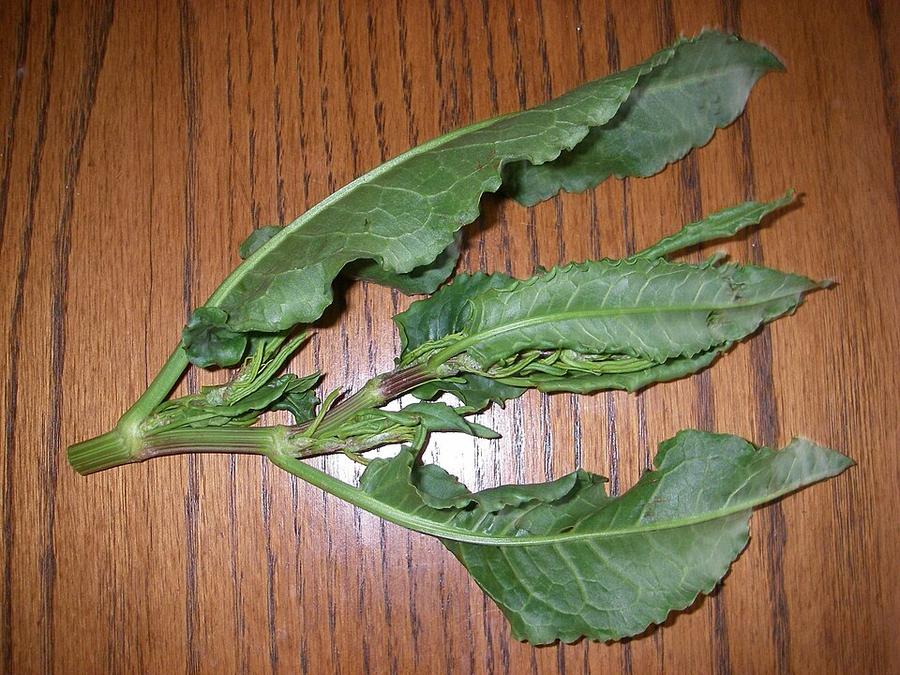
p. 334Chicory has sky-blue flowers and base leaves like a dandelion. Curly dock has long leaves and a thick carrot-like root. Sheep sorrel is small, with arrow-shaped sour leaves. Pick the young leaves.
p. 412Purslane is a low, fleshy weed with red-tinged stems in sunny bare ground in summer. Thistle has prickly lobed leaves; with gloves on, cut the young stalks and dig the root.
p. 380Clean and prepare it, step by step
Pick away from busy roads and sprayed lawns, then wash everything well in clean water.
p. 127Throw out old, wilted or yellow leaves.
Military Survival and Rescue Guide, page 84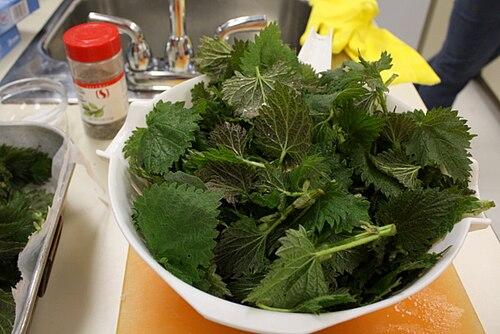
Nettles: keep your gloves on until they are cooked. Never eat them raw.
p. 368Burdock and thistle: peel off the tough, stringy or prickly outer skin of the stalks, then cut them into short pieces.
p. 401Roots (dandelion, chicory, burdock): scrub off the dirt and peel them if the skin is tough (general knowledge, not the manual).
p. 334
Cook or eat it, step by step
Young dandelion, plantain, chicory, purslane, dock and sorrel leaves can be eaten raw, in small amounts.
p. 377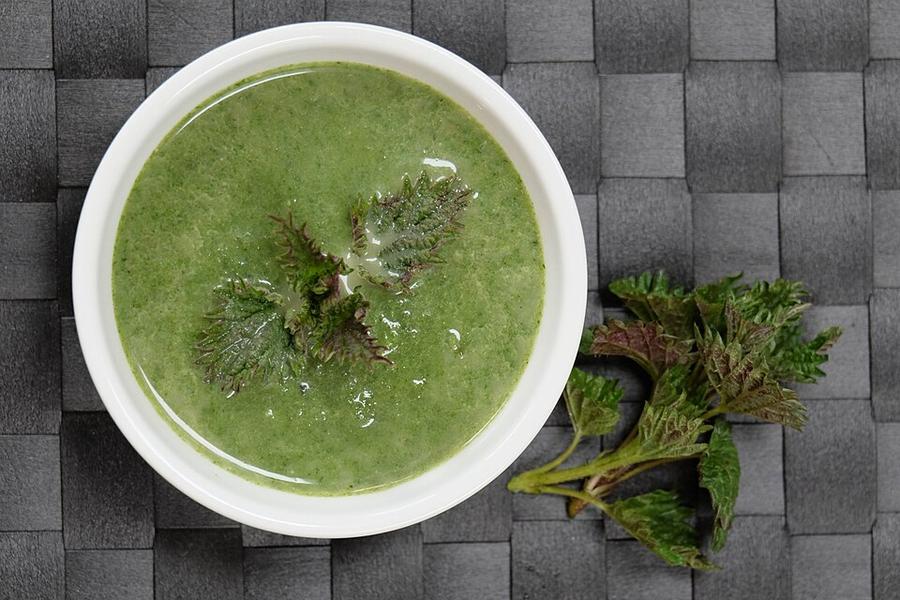
Nettles: boil them for 10 to 15 minutes. That kills the sting. Drink the water too; boiling is the most nourishing way to cook.
p. 368Older or bitter greens: boil until tender. If they are still bitter, pour off the water and boil again in fresh water.
p. 412Thistle and burdock stalks: boil the peeled pieces until soft.
p. 401Roots: boil or bake dandelion, chicory and burdock roots like a vegetable.
p. 349Root coffee: roast dandelion or chicory roots until dark brown, crush them, and steep in hot water.
p. 342Wood sorrel (the little "shamrock" plant): cook the whole plant and eat only a little.
p. 420
Stay safe
- Be 100% sure of each plant. The manual warns: do not confuse burdock with rhubarb, whose leaves are poisonous. p. 334
- Skip any plant with lacy leaves like carrot, dill or parsley. Poison hemlock and water hemlock look like that, grow in many states, and a small bite can kill. p. 132
- Sorrel, dock and wood sorrel contain oxalic acid, which can hurt you in large amounts. Eat only a little; cooking helps. p. 391
- The manual's Universal Edibility Test is only for an emergency when you cannot name a plant at all. It tests one part of one plant at a time and takes more than 24 hours for each part. It is not a shortcut, and it never works for mushrooms. pp. 128 to 131
- This app's photo reader never tells you a plant in your photo is safe to eat. Check the plant in person, from every side, with a field guide or someone who knows it. p. 137
The app shows what has been seen near your ZIP code, with photos, and can read a photo you take.