S: Size up the situation. Your surroundings first: every place has a rhythm of animal and bird noises and movement; get a feel for it. Then your physical condition: check for wounds you have not noticed, give yourself first aid, drink water, and in cold or wet weather put on more clothing. Then your equipment: what you have and what shape it is in. Size up means look before you act. Every place has its normal sounds and movements, like birds, insects and wind. Notice them so you notice when something changes. Then check your body for injuries you missed, drink water, and add clothes in cold or wet weather. Then lay out your gear and see what works.
First hour · Before you go course
SURVIVAL: eight letters to think with
The manual is built on one keyword. Each letter of SURVIVAL is a step to take or a rule to keep, and they come in order. Learn them so that when your mind goes blank, the word does not.
Why this matters
When you are scared, your mind can go blank. The Army survival manual is built around one word, SURVIVAL, so that even then you have something to hold onto. Each letter is an action or a rule, and they come in an order that makes sense: look first, slow down, know where you are, control fear, make do, keep going, learn from what is around you, and practice skills now.
The word also leads to a plan. The manual calls it a pattern for survival: food, water, shelter, fire, first aid and signals, put in the order your situation needs. The order changes with the weather and with injuries, so you check it again as things change.
What you need
- Nothing but the word SURVIVAL in your memory.
- Helpful: a map and compass if you have them, for the R step, and whatever gear you carry, for the I step.
Step by step
With that done, make your plan around your basic needs: water, food and shelter. Water, food and shelter are your basic needs. Which one comes first depends on what you found when you sized up. On a cold, wet evening, shelter likely comes before everything else.
U: Use all your senses, undue haste makes waste. Do not move just to be doing something. A quick move without a plan can lose your gear or leave you disoriented. Note sounds, smells and temperature changes. Be observant. Undue haste means rushing when you do not need to. The manual says a quick move without a plan can lose you gear and leave you turned around. Use your ears, nose and skin as well as your eyes: a change in temperature or wind can warn you of weather on the way.
R: Remember where you are. Spot your location on the map and relate it to the ground around you. Make sure everyone with you knows it too, and know who carries the map and compass. Keep track of the route yourself. Find yourself on the map and match it to what you see, like a hill, a stream or a road. Make sure everyone with you knows too, and know who has the map and compass. Do not leave the route to someone else; keep track of it yourself as you go.
V: Vanquish fear and panic. They destroy your ability to make good decisions, make you react to imagination instead of your situation, and drain your energy. Training and confidence beat them. Fear and panic make you react to what you imagine instead of what is real, and they burn energy you need. The manual says training and confidence are how you beat them. The fear lesson goes deeper into this.
I: Improvise. A rock becomes a hammer. Any tool can do other jobs. No kit lasts forever; your imagination has to take over when it wears out. To improvise is to make do with what you have. Look at each item and ask what else it could do. A rock can be a hammer. No kit lasts forever, so your ideas become your most important tool.
V: Value living. Stubbornness, a refusal to give in to problems, is what gives you the strength to endure. Value living means wanting to live enough to keep going when it is hard. The manual says stubbornness, refusing to give in to problems, gives you the strength to endure.
A: Act like the natives. Watch how people who live there get food and water and when they rest. Watch the animals too, because they also need food, water and shelter. But never use an animal as a guide to what you can eat; many animals eat plants that are poisonous to people. People who live in a place know when to rest, where to find water, and how to get through the weather. Animals need water and shelter too, so watching them can lead you to water. But the manual gives a warning: never use an animal as a guide to what you eat or drink, because many animals eat plants that are poisonous to people.
L: Live by your wits, but for now learn basic skills. Learn them now, not when you are already in trouble, and practice them in the environment you are going to. Live by your wits means thinking your way through. The manual says to learn basic skills now, before you need them, and to practice them in the kind of place you will be going. Practice makes you less afraid of the unknown and gives you confidence.
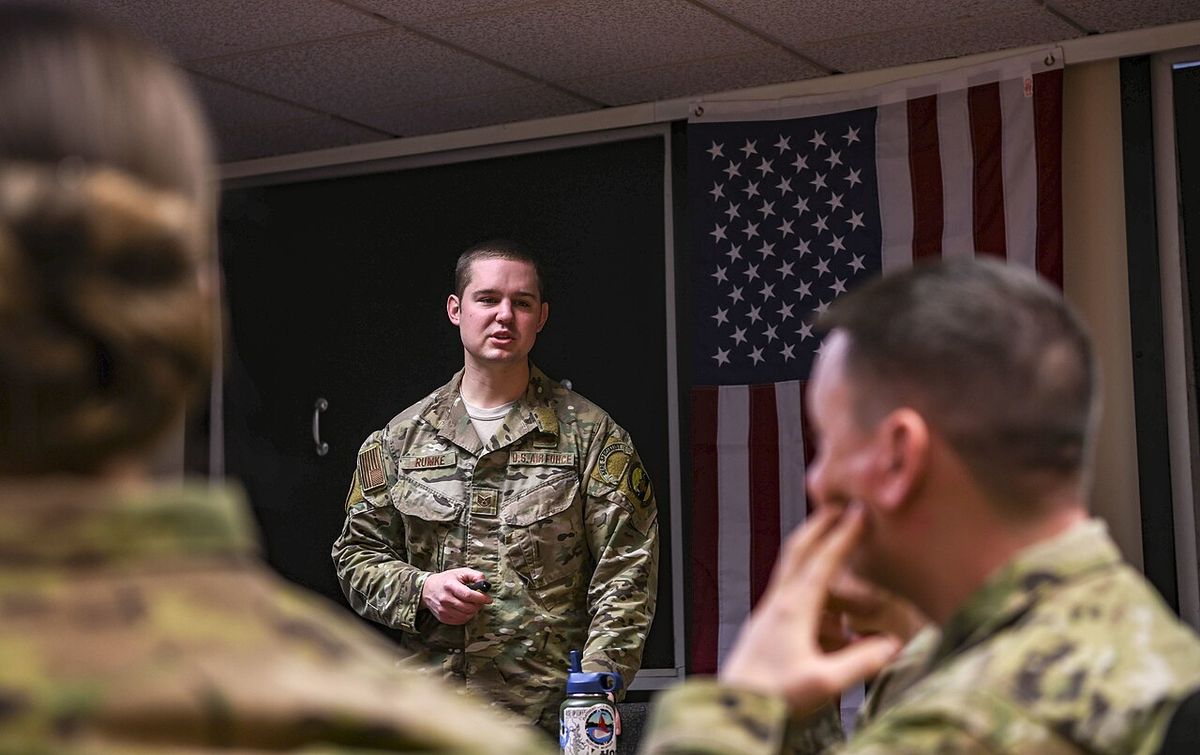
Learn the basic skills now, from someone who teaches them Then set a pattern: food, water, shelter, fire, first aid and signals, in the order your situation needs. In the cold that is fire to get warm, shelter from cold and wind, food, a way to signalsignal Anything in threes means help: three fires, three whistle blasts, three piles of rocks., and first aid to stay healthy. If you are injured, first aid comes first in any climate. Change the order as the situation changes. A pattern is your to-do list in order. The manual's cold weather example: fire to get warm, shelter from cold and wind, food, a way to signal, and first aid to stay healthy. If you are injured, first aid comes first anywhere. Call 911 if you have signal; this app is a learning tool, not medical training. Check the order again whenever things change, like the weather or the time of day.
Tips from survival instructors
- Before every trip, tell someone where you are going and when you will be back, and what to do if you are late.
- Do the most important job first: shelter and warmth in bad weather, then water, then signals, then food.
Common mistakes
- Forgetting the order when stressed. The fix: say SURVIVAL out loud, one letter at a time, and do what each letter says.
- Moving only to feel busy. The fix: U reminds you that undue haste makes waste; plan the move first.
- Letting one person keep track of where the group is. The fix: everyone keeps track of the route and knows who has the map and compass.
- Watching what animals eat and copying them. The fix: never use animals as a guide to what you eat, because many animals eat plants that are poisonous to people.
- Keeping the same plan when things change. The fix: check your pattern again whenever the weather, daylight or your health changes. If you are injured, first aid goes to the top.
Practice it safely
Learn the word by saying it on walks: at each letter, do the action. At S, look around and check yourself. At R, find your spot on a park map. At I, pick one item in your pocket and name three other uses for it. Kids can make it a game with a parent.
Before a camping trip, write your own survival pattern for that place and season. A winter hike and a summer hike will have different orders. Practice the skills that come first on your list in a backyard or a campground, where fires are allowed and help is close.
Quick check
You are hurt and it is cold. What comes first?
- Fire
- First aid
- Signals
Show the answer
First aid
Take the quiz and earn the badge
The app checks your answers, keeps your place in the Before you go, and works with no signal once saved.
Before you rely on thisA learning tool, not a replacement for training. In an emergency, call 911.
Sources
Photo credits
Photo: U.S. Air Force photo by Airman 1st Class Antonia Herrera, Public Domain, source