← Outdoor Survivalist Trainer Your area

First hour · First hour lost course

Stop and size up

Why this matters

The first minutes after you realize you are lost or stuck matter most. The Army survival manual warns that a quick move made without thinking can lose you gear and leave you so turned around that you no longer know which way to go. The cold weather manual says the same thing about a lost group: do not keep walking in the hope of bumping into a landmark. Stop and check first.

Stopping is not giving up. It is how you swap panic for a plan. Once you know the weather, the daylight, your body and your gear, you can pick the one job that matters most right now, and that is usually shelter and warmth, not food.

People who skip this step tend to walk farther from where anyone would look, get tired and sweaty, and find themselves in the dark with no shelter. The manual's word for the whole idea is SURVIVAL, and its first two letters are S (size up the situation) and U (undue haste makes waste).

What you need

  • Nothing but yourself. This lesson is about thinking, not gear.
  • Helpful if you have them: a phone (call 911 if you have signalsignal Anything in threes means help: three fires, three whistle blasts, three piles of rocks.), a map, and something to write on so your plan does not live only in your head.

Step by step

  1. Stop. Do not rush off. Moving in a hurry is how people get more lost. Sit down if you can. Sitting slows your breathing and stops your feet from making the decision for you. The cold weather manual tells a lost group to halt at the first suspicion they are off course, not to keep moving and hope. You did this step right when you can think about the next step calmly.
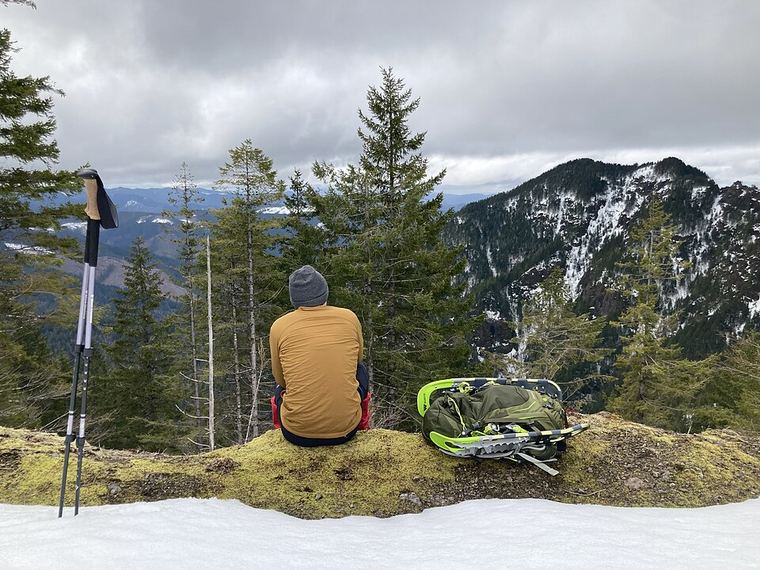
    A hiker seen from behind, sitting still on a ridge with pack set down
    Sit down, rest, and think before you move
  2. Look at where you are: weather, ground, daylight left. This is the manual's "size up your surroundings." Ask: Is rain, snow or wind coming? How cold will tonight be? How many hours of light are left? Is the ground wet, steep or rocky? These answers decide which job comes first. In some places and seasons, the manual says, shelter matters even more than water or food.

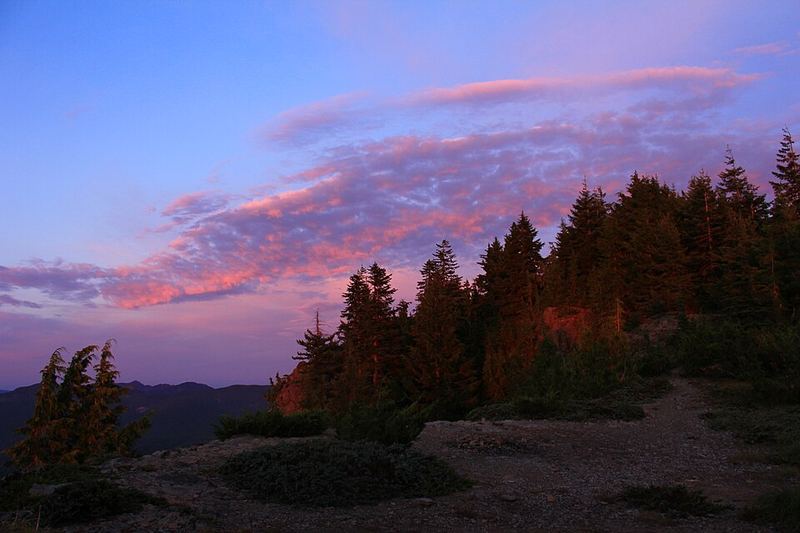
    Dusk sky over a forested ridge, daylight almost gone
    Check the sky: how much daylight is left?
  3. Check yourself for injuries, then check what you are carrying. The manual warns that the shock of a bad moment can hide an injury from you, so check yourself on purpose, head to toe. Give yourself first aid, drink water if you have it, and in cold or wet weather put on more clothing before you get chilled. Then lay out everything you carry and see what shape it is in. If you have signal, call 911. This app is a learning tool, not medical training.

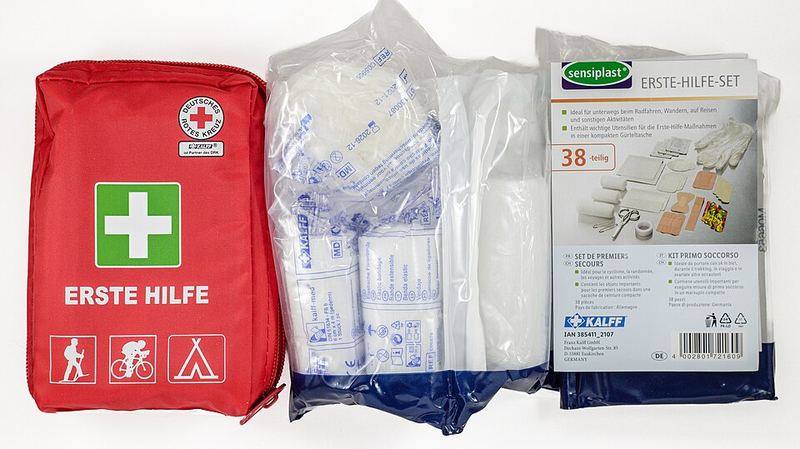
    A red first aid kit with bandages laid out beside it
    Check your gear: first aid kit, water, light, layers
  4. Make a plan for your needs in this order: shelter and warmth, water, getting found. Food comes last. The manual calls this a "pattern for survival": put your needs in order of importance for where you are. In the cold that means fire and shelter first. If you are hurt, first aid comes first in any climate. The cold weather handbook adds: take shelter, keep warm, and rest, because the more you rest the less energy and food you need. Food really does come last.

Tips from survival instructors

  • Unless you have a strong reason to move, stay where you are. Searchers start at the place you were last seen, and every step away makes their job harder.
  • Fear is normal. Breathe slowly and do one small useful job, like gathering wood. Keeping your hands busy calms your mind.

Common mistakes

  • Walking fast toward where you think the car is. The fix: stop, sit, and make a plan before you take another step. Hurrying is how people get more lost.
  • Splitting up a group so each person can search. The cold weather handbook says stay together and never allow stragglers. If anyone scouts, they mark their trailgame trail A narrow path worn through grass or brush by animals using it over and over. A trap goes on a trail an animal already uses. so they can come back.
  • Not noticing an injury until later. The fix: check yourself on purpose, even if you feel fine.
  • Thinking about food first. The fix: warmth, shelter, water and being found all come before food in the manual's order.
  • Waiting until dark to decide anything. The fix: count the daylight left as part of sizing up, and start on shelter early.

Practice it safely

On your next walk in a park or on a trail, practice a stop drill at a trail junction. Stop, look around, and say out loud what the weather is doing, how much light is left, how you feel, and what you are carrying. Then say your plan in order: shelter and warmth, water, getting found, food last. It takes a few minutes and builds the habit for the day you need it.

At home, lay out what you usually carry on a hike and decide what each item could do for shelter, water and signaling. Tell someone where you are going and when you will be back before every trip, so that if you do get stuck, people know where to look.

Quick check

You just realized you are lost. What do you do first?

  • Walk fast toward where you think the car is
  • Stop and size up where you are
  • Look for food
Show the answer

Stop and size up where you are

Take the quiz and earn the badge

The app checks your answers, keeps your place in the First hour lost, and works with no signal once saved.

Before you rely on thisA learning tool, not a replacement for training. In an emergency, call 911.

Sources

Photo credits
Photo: Mattsjc, CC BY 4.0, sourcePhoto: Bureau of Land Management Oregon and Washington, Public Domain, sourcePhoto: Friedrich Haag, CC BY-SA 4.0, source

More on first hour