← Outdoor Survivalist Trainer Your area

Cold and weather · Cold and weather course

Dress for the cold: COLD and layers

The cold weather manuals turn clothing into four rules you can remember as COLD: keep it Clean, avoid Overheating, wear it Loose and in layers, keep it Dry. Older gear keeps you warm if you follow them; the newest gear will not if you do not.

Why this matters

Clothes do not make heat. Your body does. Clothes keep that heat in by holding still air close to you, the same way fur does on an animal. Anything that crushes, fills or wets those little air pockets lets the heat out.

That is why the cold weather manuals boilrolling boil Big bubbles breaking the whole surface, not just a few at the edge. One full minute of this kills the germs that make you sick. clothing down to four rules, COLD: keep it Clean, avoid Overheating, wear it Loose and in layers, keep it Dry. Older or cheaper gear keeps you warm if you follow them, and expensive gear will not if you do not.

Most cold injuries, the first aid manual says, happen when people have too few clothes when the weather suddenly turns colder. Planning your layers before you go is the first step.

What you need

  • A warm hat, plus something for your neck.
  • Several light layers instead of one heavy coat: a base layer, a warm middle layer and a wind and water repellent outer layer.
  • Spare dry socks, and mittens or gloves.
  • Wool if you have no modern insulatedinsulation Anything that traps still air and slows heat from leaving: dry leaves, pine needles, snow, wool, a puffy jacket. gear; the manual says to choose wool over everything except a windbreaker.

Step by step

  1. Cover your head. You can lose 40 to 45 percent of your body heat from a bare head, and more from a bare neck, wrists and ankles. These parts have little fat and lots of blood close to the surface. Your head, neck, wrists and ankles have lots of blood close to the skin and little fat to insulate them, so they lose heat fast.

    A woman wearing a blue knitted balaclava over her head and neck
    Cover your head: ears, neck and face too in wind
  2. C is clean. Clothes matted with dirt and grease lose much of their insulation, because the air pockets that hold heat get crushed or filled. Underwear needs the most attention because it soils first. If you cannot wash, shake clothes out and air them. Dirt and body oils mat the fibers down so they hold less air. Underwear touches your skin, so it gets dirty first. Shaking clothes out and airing them for an hour or two helps when you cannot wash.

  3. O is overheating. Sweat wets your clothing from the inside, which cuts its insulation, and then cools you as it evaporatesevaporation Water turning into vapor (a gas) and floating off. It carries heat with it, which is why wet skin and clothes cool you fast.. Adjust before you sweat: open the parka, take off an inner layer, remove heavy mittens, throw back the hood or switch to a lighter hat. The head and hands dump heat fast. It is better to be slightly chilly than too warm, and the first aid manual says to take off a layer or two before hard work and put them back on when you stop. Sweat is the enemy in the cold. It soaks your clothes from the inside, then chills you as it dries. You are doing it right if you feel a little cool while you work and warm up once you stop and add a layer.

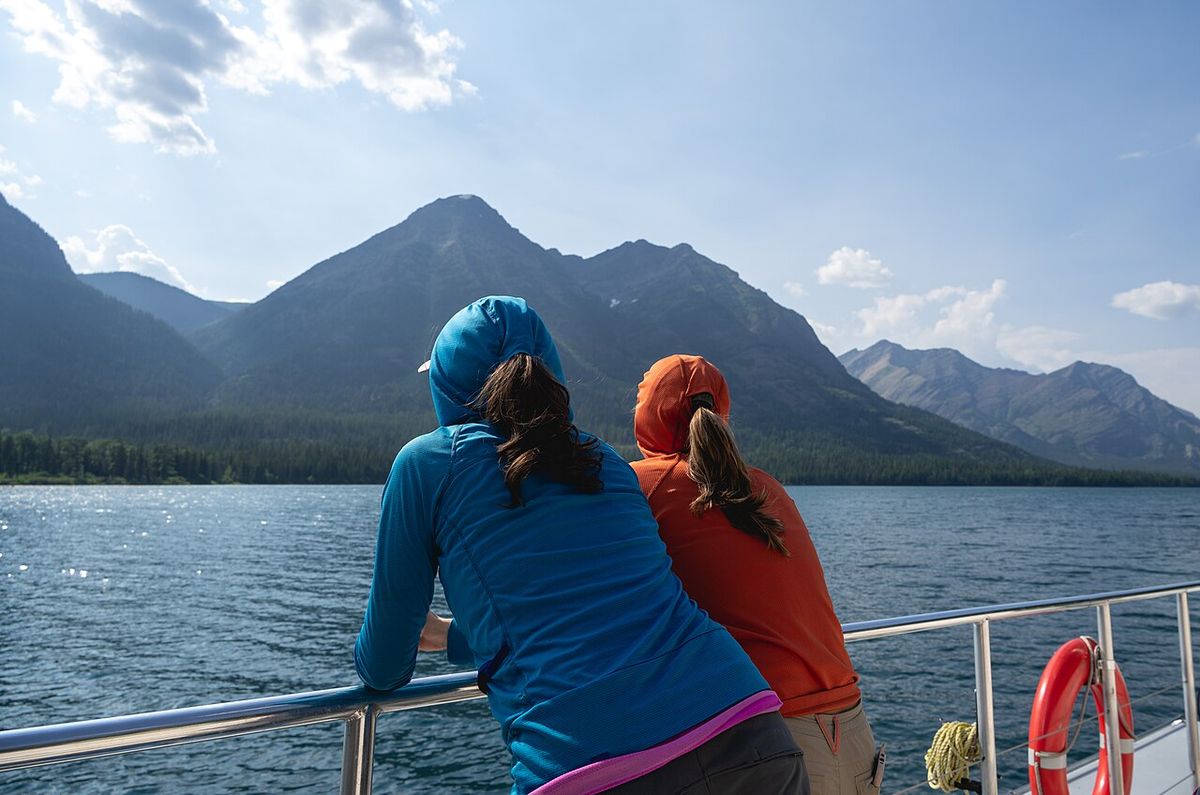
  4. L is loose and in layers. Tight clothing and tight boots restrict blood flow and invite cold injury, and they squeeze out the air between layers that does the insulating. Several light layers beat one thick one, and layers let you add and remove as you warm and cool. Extra socks that make the boot tight do harm, not good. Loose clothes leave room for warm air and let your blood flow freely to your hands and feet. Several thin layers trap more air than one thick coat and let you add or remove one at a time. If an extra pair of socks makes your boot tight, it makes your feet colder, not warmer.

    Two people in hooded fleece and jackets looking out over a mountain lake
    Loose layers you can add or shed as you warm up
  5. D is dry. Inner layers get wet from sweat, outer layers from snow and frostlast spring frost The average date the last freezing night happens in spring, and the first in fall. Between them, nights usually stay above 32°F. melted by your body heat. Wear a water repellent outer layer if you have one, and brush snow and frost off before you enter a heated shelter. Water repellent means the cloth sheds water instead of soaking it up. Snow that lands on you melts from your body heat, so brush or shake it off before going into a warm place; rubbing it works it into the cloth.

  6. When you do get wet, dry things as you go: hang damp mittens and socks on your pack where wind and sun can reach them, or put them unfolded inside your clothing against your body. In camp, hang damp clothes high inside the shelter on a line or rack, or hold them before the fire. Dry leather slowly; boots go between the sleeping bag shell and liner overnight. Damp clothes dry best where air moves or near your body heat. The cold weather manual says not to dry clothing and footwear too near a heat source, and to dry leather slowly. Dry socks and liners against your body as you walk.

  7. Material: use modern insulated gear if you have it. If not, the manual says your clothing should be entirely wool, except perhaps a windbreaker. Keep a down sleeping bag dry; wet down loses most of its warmth. If you have no modern insulated gear, the manual picks wool. Down, the soft feathers in many sleeping bags and jackets, is very warm dry but loses most of its warmth when wet.

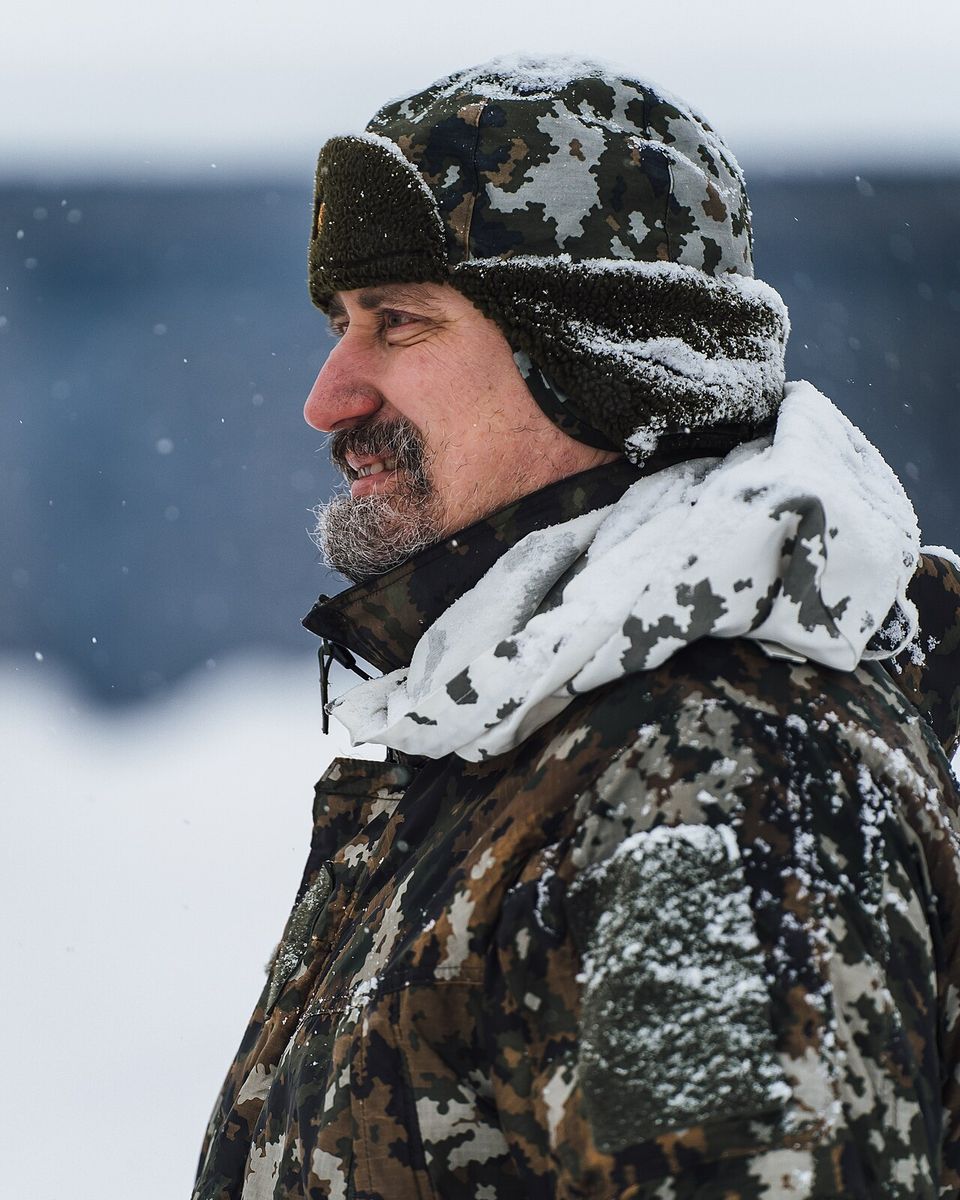
    A man in a fur-lined hat with ear flaps and a hood in falling snow
    Insulated hat with ear flaps, and a hood for the wind
  8. Feet: wash them daily if you can and put on clean, dry socks. Change socks whenever they get damp from sweat or snow. Tight socks, boots and gloves are especially dangerous in deep cold. Wet or tight feet get cold fast and are prone to injury. Changing socks the moment they get damp is one of the easiest ways to stay safe. Wash and dry your feet daily if you can.

  9. Think of your clothing as a house with windows. Opening it at the neck and the waist gives a cross draft that carries sweat away; opening only the neck lets warm air out without a full draft. Fastenings at your neck, waist, wrists and ankles are like windows. Open the neck and waist together and air flows through, carrying sweat away. Open only the neck to let a little warm air out.

  10. Do not touch cold metal with bare skin in extreme cold; it can take the skin off. And keep drinking: heavy clothing hides how much moisture you lose, and your need for water in the cold is as great as in the heat. Bare skin can freeze to very cold metal, so wear gloves when handling metal in deep cold. Heavy clothes hide how much water you lose through breath and sweat, so drink often. The survival manual's check: light yellow or clear urine on snow is good, dark yellow means drink more.

Tips from survival instructors

  • Dress in layers and take one off before you start to sweat. Sweat soaks your clothes, and wet clothes pull heat out of you.
  • Cotton is a poor choice in the cold. Once wet it stays wet and stops keeping you warm. Wool and synthetics still work damp.

Common mistakes

  • Hiking hard in a heavy jacket and soaking it with sweat. Fix: take off a layer before hard work and put it back on when you stop.
  • Wearing one thick coat instead of layers. Fix: several light layers with air between them.
  • Tight boots from too many socks. Fix: wear only as many socks as fit the boot loosely.
  • Going into a warm shelter covered in snow. Fix: brush or shake the snow off first; do not rub it in.
  • Drying clothes or boots too close to a fire. Fix: dry slowly, hung high in the shelter, against your body, or in your sleeping bag overnight.
  • Forgetting to drink because you do not feel thirsty. Fix: drink as much as you would on a hot day, and check your urine color.

Practice it safely

The survival manual suggests testing gear you have never used in an overnight backyard trip before you take it farther. On a cold evening, dress in layers and spend time outside in the yard. Practice venting: open your neck and waist while you rake or shovel, then close up and add a layer when you stop. Notice how quickly sweat chills you if you do not.

Practice the D rule at home: after a snowy walk, brush off snow before you come in, then dry gloves and socks on a line or rack, not on a heater. Check your layers before every winter outing: hat, neck, layers, spare socks.

Quick check

You are sweating on a cold hike. What do you do?

  • Keep going so you stay warm
  • Open your jacket or take off a layer before your clothes get wet
  • Drink less
Show the answer

Open your jacket or take off a layer before your clothes get wet

Take the quiz and earn the badge

The app checks your answers, keeps your place in the Cold and weather, and works with no signal once saved.

Before you rely on thisA learning tool, not a replacement for training. In an emergency, call 911.

Sources

Photo credits
Photo: Tobias ToMar Maier, CC BY-SA 4.0, sourcePhoto: GlacierNPS, Public Domain, sourcePhoto: U.S. Army photo by Sgt. James Garvin, Public Domain, source

More on cold and weather