Guide
Venomous snakes in the US: how to tell them and what to do after a bite
The US has four groups of venomous snakes: rattlesnakes, copperheads, cottonmouths (also called water moccasins) and coral snakes. Most bites happen when someone steps near one, reaches where they cannot see, or tries to handle or kill it.
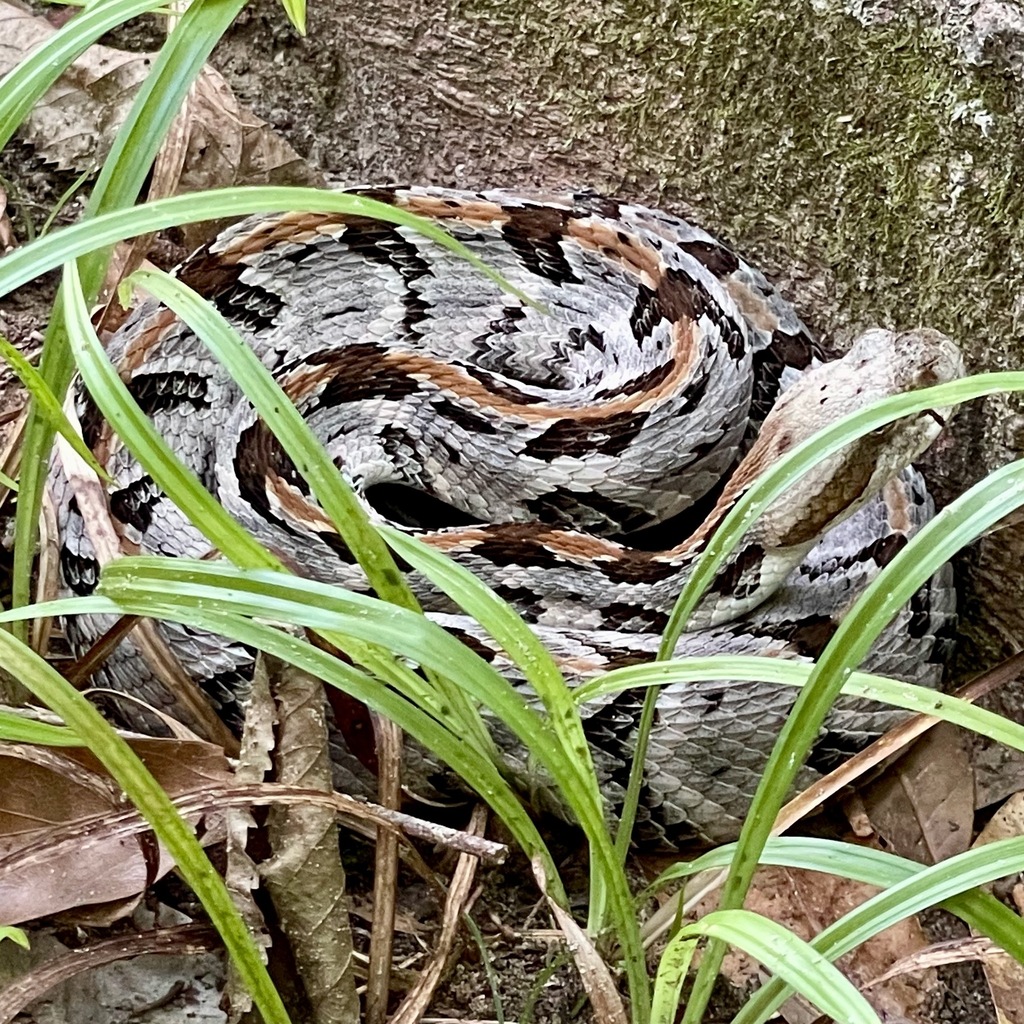
The four groups
- Rattlesnakes: a rattle of dry segments at the tail tip, a heavy body and a wide head. Found in nearly every state, most of all in the West and South.
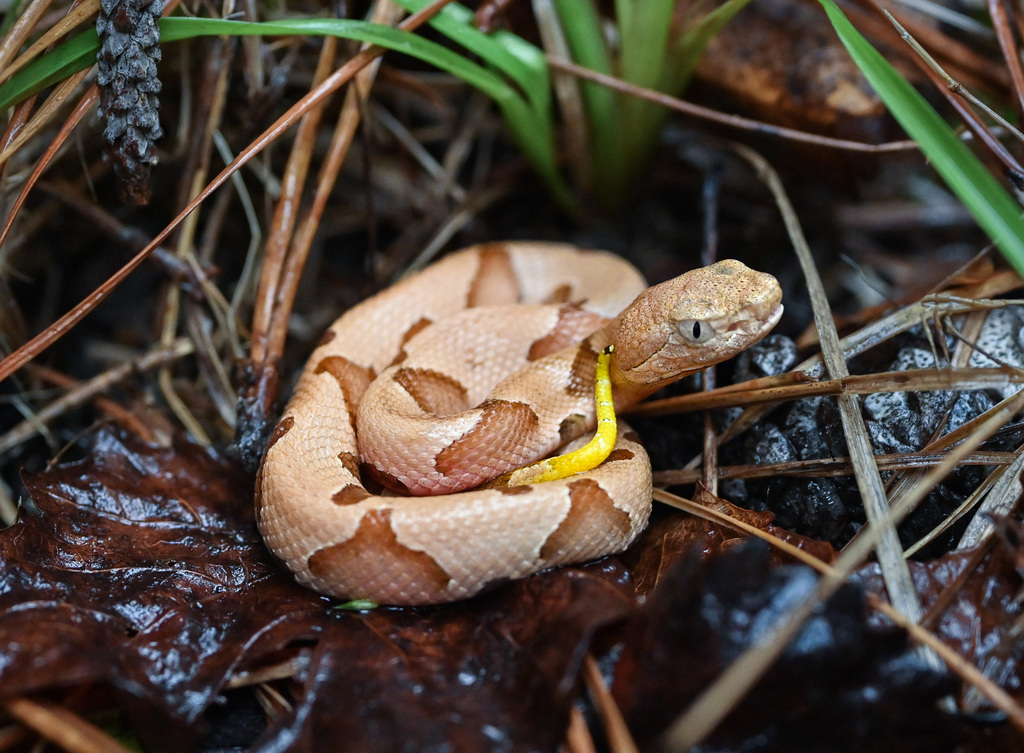
- Copperheads: tan to copper bodies with darker bands shaped like an hourglass. Found across the East, South and central states.
- Cottonmouths: thick, dark olive to black snakes of southeastern swamps and slow streams. When bothered they gape and show a white mouth lining.
- Coral snakes: slim snakes ringed in red, yellow and black, in the Southeast and Southwest. They are shy and bites are rare.
Clues, and why not to lean on them
Rattlesnakes, copperheads and cottonmouths are pit vipers: a small heat-sensing pit sits between each eye and nostril, and the pupils are narrow slits like a cat's. Those clues mean getting close, which is how people get bitten. Many harmless snakes also flatten their heads, shake their tails in dry leaves, or have bands. Treat any snake you cannot name from a distance as venomous.
After a bite: what CDC NIOSH says to do
- Call 911 or get to a hospital as fast as you can. Note the time of the bite.
- Keep the person calm and still. Moving spreads the venom.
- Take off rings, watches and tight clothing near the bite before it swells.
- Cover the bite with a clean, dry dressing.
- Do not cut the wound, suck out the venom, use a tourniquet, apply ice or soak it in water.
- Do not give alcohol, caffeine or pain pills, and do not wait for symptoms before getting help.
- Remember the snake's colors and shape, or take a photo from a safe distance. Do not try to catch it.
Snake pages
Start with the copperhead, the snake behind more bites in the eastern US than any other.
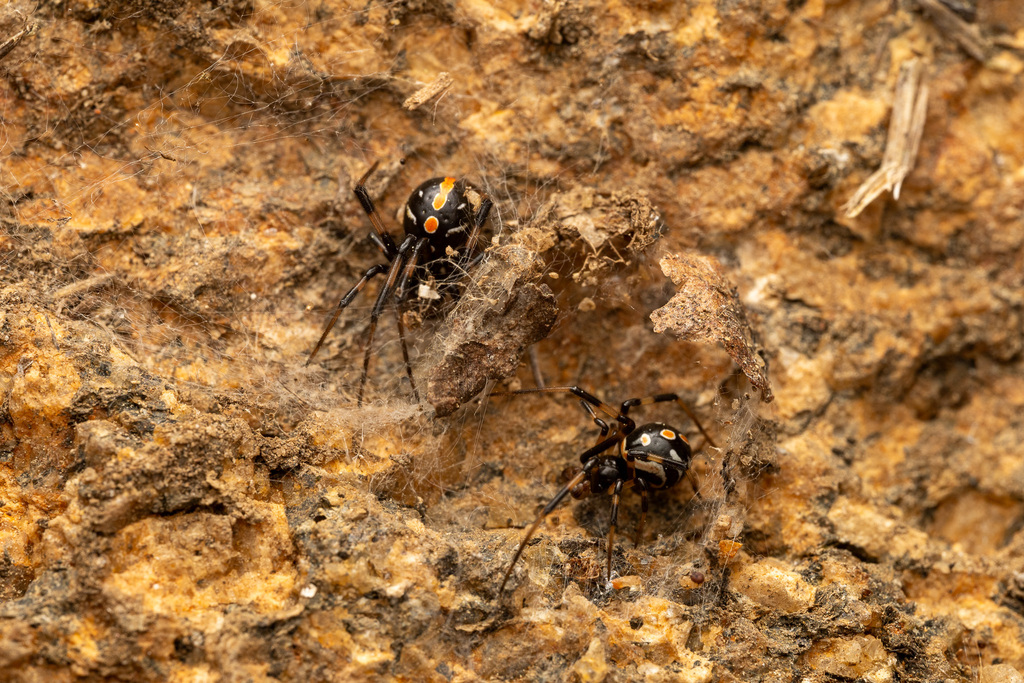
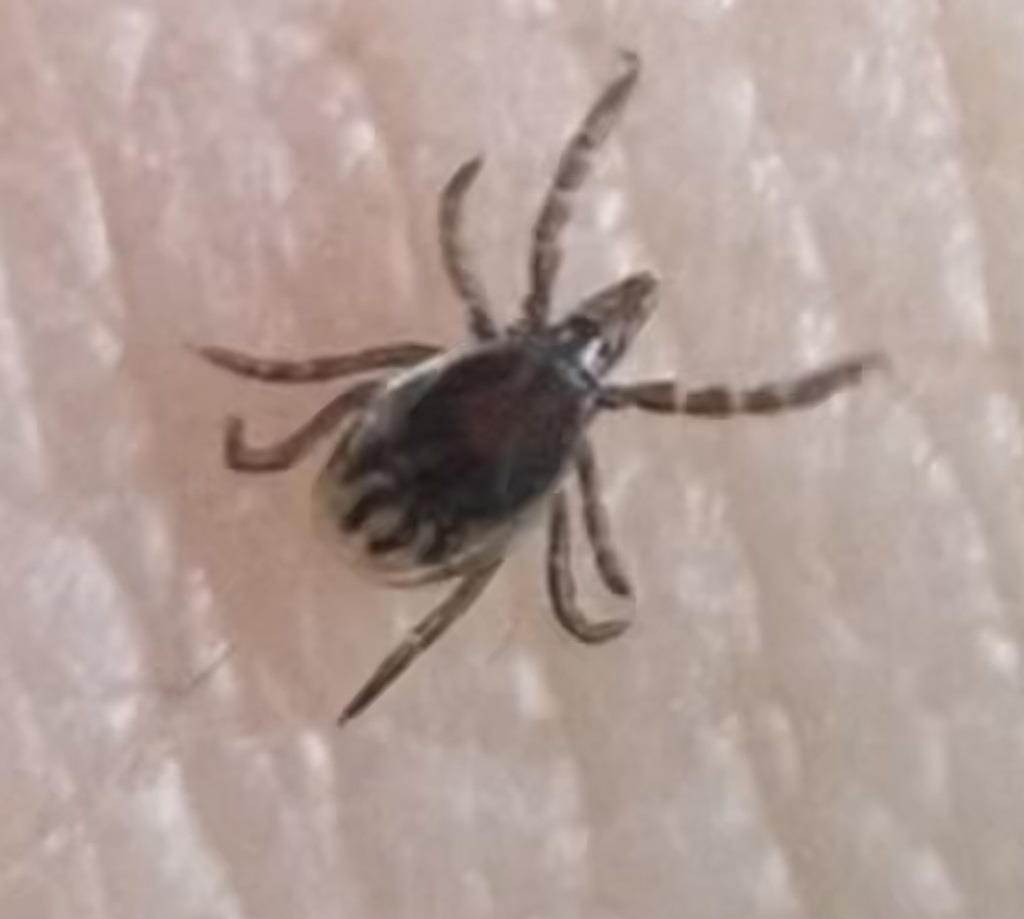
The free app reads your photo, names the likely match, shows its look-alikes, and tells you what has been seen near your ZIP code.
Sources
Written in our own words from these public sources.