Poisonous plant
Jimsonweed: the trumpet-flowered weed that poisons the mind
Jimsonweed grows in farm fields, barnyards, vacant lots and roadsides across much of the US. Its seeds, leaves and flowers cause confusion, hallucinations and a racing heart, and cooking does not make it safe.
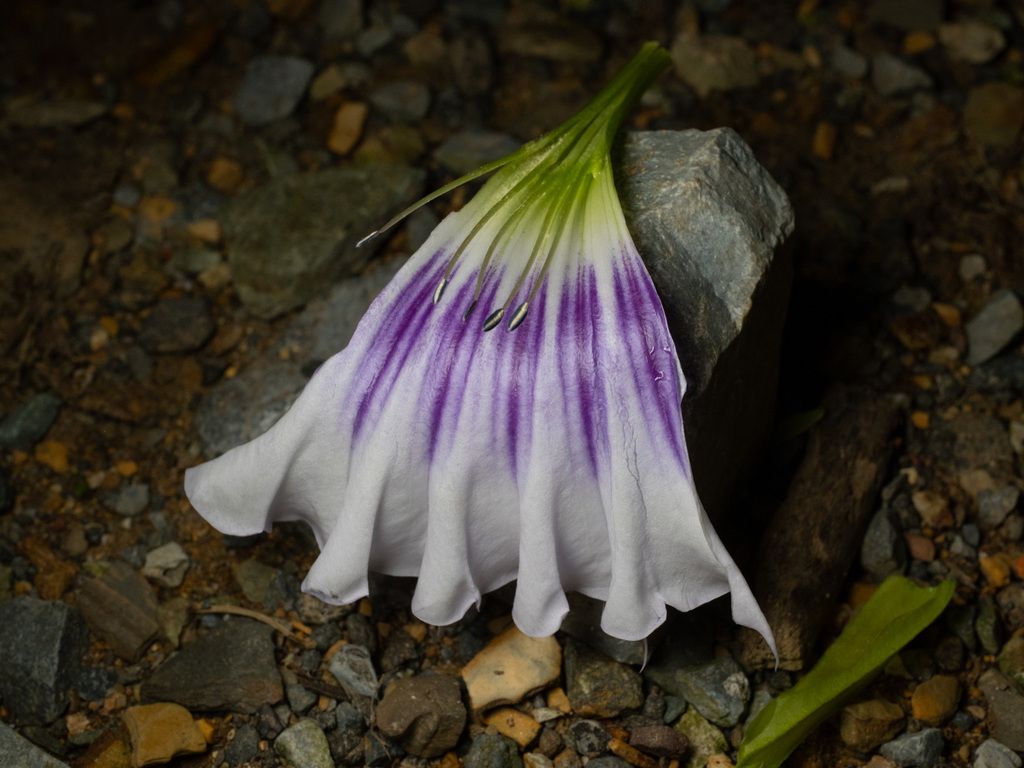
How to tell it
- A bushy weed, usually 2 to 5 feet tall.
- Large, coarsely toothed leaves with a strong, unpleasant smell when crushed.
- Long white or pale purple trumpet-shaped flowers that open in the evening.
- Egg-shaped seed pods covered in sharp spines (one old name is thorn apple), full of small dark seeds.
Where you find it
Sunny, disturbed soil in much of the US: crop fields, barnyards, gardens, vacant lots and roadsides. It is also grown as an ornamental.
Scientific name: Datura stramonium
Look-alikes
Garden moonflower and sacred datura look similar and are just as poisonous. Treat any trumpet flower with a spiny pod the same way.
A vine with smooth heart-shaped leaves and no spiny pods.
Why it is dangerous
The plant holds atropine and scopolamine, which cause dry mouth and skin, fever, wide pupils, blurred vision, confusion, hallucinations and a fast heartbeat. CDC reported a 2008 case in Maryland where six family members ate a homemade stew with jimsonweed in it; five went to intensive care. CDC notes the seeds carry the most poison.
What to do
- Call the Poison Help line or 911 if anyone may have eaten any part of it, even if they seem fine.
- Keep the person cool and calm, and stay with them: confusion can lead to falls and injuries.
- Bring a photo or sample of the plant.
- Pull it from gardens and play areas with gloves, and keep children away from the seed pods.
The free app reads your photo, names the likely match, shows its look-alikes, and tells you what has been seen near your ZIP code.
Sources
Written in our own words from these public sources.