← Outdoor Survivalist Trainer Your area

First aid · First aid course

Heat exhaustion and heat stroke

Heat injuries come in three steps: cramps, exhaustion and stroke. The first two are warnings. Heat strokeheat stroke The body has stopped cooling itself: hot dry skin, no sweat, a red face, confusion, then collapse. Cool the person at once with any water; it can kill within the hour., when the body stops sweating, kills unless you cool the person at once. The manuals also say the thing most people get wrong: thirst is not a guide, and rationing water makes heat casualties.

Why this matters

Heat illness creeps up on people who feel fine. The survival manual tells how the Army once tried to train soldiers to get by on less water; it caused hundreds of heat casualties. Without enough water, a person's ability to think clearly and make decisions drops fast.

Heat stroke happens when the corecore temperature The heat deep inside your body, around your heart, lungs and brain. About 98.6 F when you are healthy. of the body passes about 105 degrees F (40.5 C) and the body's cooling system breaks down. The survival manual warns that cramps and dehydrationdehydration Your body has less water than it needs. Thirst, dark urine, headache, tiredness and dizziness are the early signs. do not always come first, so it can arrive without the warning signs. The first aid manual adds that a person who has had one heat injury is more likely to have another.

If you have signalsignal Anything in threes means help: three fires, three whistle blasts, three piles of rocks., call 911 for anyone you think has heat stroke, and keep cooling them while you wait. This lesson is a learning tool, not medical training.

What you need

  • Water, and more of it than you think. Drinking on a schedule matters more than any gear.
  • Shade: a tree, a rock, a tarp or a jacket propped on sticks.
  • Cloth to wet and something to fan with, such as a hat or a map.
  • With no gear: shade, and any water at all for cooling the outside of the body. The manual says even dirty or brackish water works for that.

Step by step

  1. Water first. Hard work in the sun at 110 F (43 C) takes 19 liters a day. Thirst is unreliable; a person who drinks only when thirsty gets about two thirds of what they need. Below 100 F (38 C) drink half a liter an hour, above it a liter an hour. Do not ration water; ration sweat. 19 liters is about 5 gallons. Half a liter is about a pint, and a liter is about a quart. 'Ration sweat' means work less so you sweat less, but keep drinking; sipping often keeps the body cooler. The survival manual also says you are already about 2 percent short on water by the time you feel thirsty.
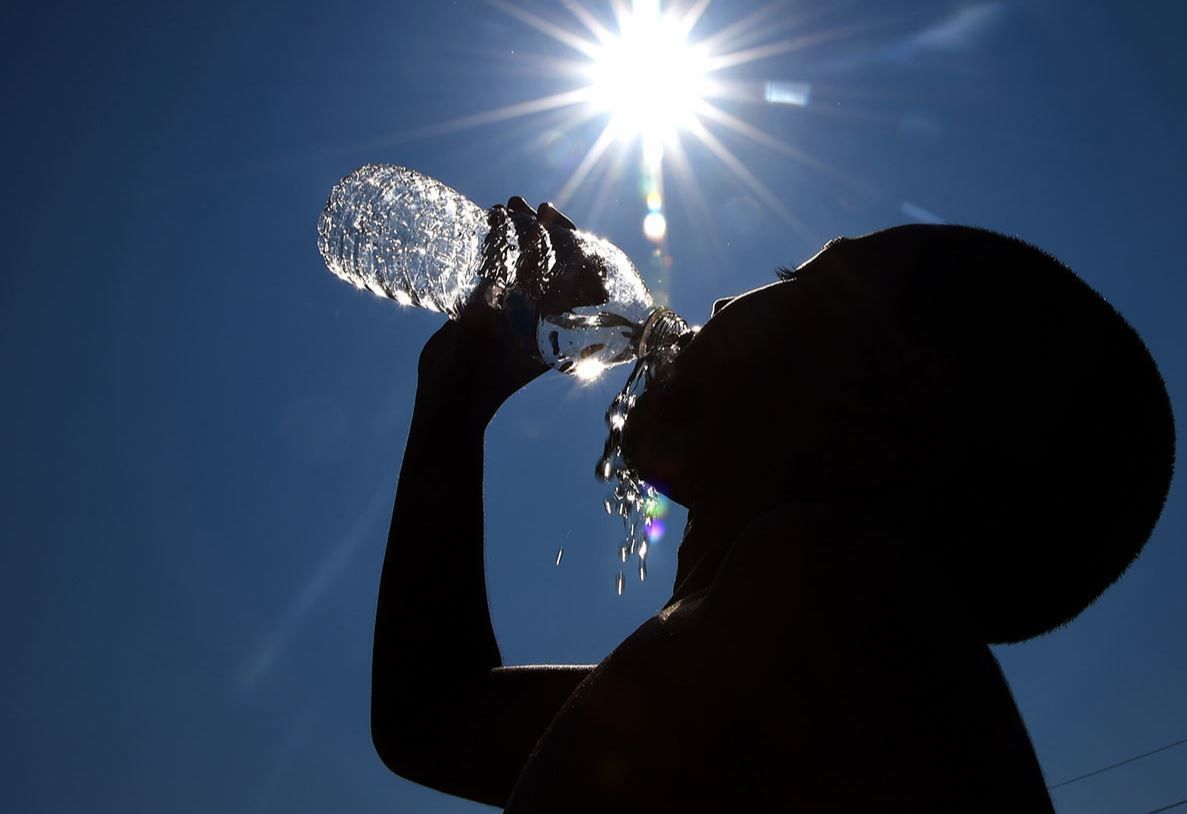
    A silhouetted person drinking from a water bottle under a blazing sun
    Drink before you are thirsty; thirst is a poor guide
  2. Cut the heat gain: get in the shade, put something between you and the hot ground, limit movement, keep your clothing on with sleeves down and head and neck covered, keep your mouth closed and breathe through your nose. If water is scarce, do not eat; digestion uses water. Desert sand can be 30 to 40 degrees F hotter than the air, and hot ground heats you too, so get off it. Shade can be about 20 to 30 degrees F (11 to 17 C) cooler than the open air. Clothes help because they hold sweat against the skin, where it cools you best.

  3. Use the buddy system. Someone who complains of tiredness or wanders off from the group may be a heat casualty. Check urine color: light means enough water, dark means drink more. The buddy system means each person watches another. People with heat illness often do not notice it in themselves. Light urine is a good sign; dark urine means drink more.

  4. Heat crampsheat cramps Painful muscle cramps from losing salt by sweating.: muscle cramps in the legs, arms or belly from salt loss, with heavy sweating. Stop all activity, get in the shade, loosen clothing, and slowly drink a canteen of cool water. The first aid manual says no salt solutions in first aid for heat injuries. Electrolyteselectrolytes The salts your body needs, such as sodium and potassium. Sweat carries them out, and too little salt brings cramps and weakness. are the body's salts, lost in sweat. A canteen is about a quart (1 liter). Have the person sip at least one canteen of cool water slowly, and get medical help if the cramps keep coming.

  5. Heat exhaustionheat exhaustion The body struggling with heat: heavy sweating, pale cool clammy skin, headache, weakness, dizziness. Rest in shade and drink.: heavy sweating with pale, moist, cool clammy skin, headache, weakness, dizziness, confusion, irritability, cramps, sometimes nausea and rapid breathing. The key sign is that the person is still sweating, with skin that is pale, wet and cool to the touch. The first aid manual says it looks a lot like shock.

  6. Treat it: shade at once, lie the person on something about 18 inches (45 centimeters) off the ground, loosen or remove clothing and boots, sprinkle or pour water on them and fan, elevate the legs, and have them drink small amounts of water every 3 minutes. Rest for the remainder of the day and keep watching them. Being off the ground keeps the hot ground from adding heat. The manuals give water in small amounts often, not one big drink. Keep watching them for the rest of the day, because it can get worse.

  7. Heat stroke: no sweat, hot dry skin, red flushed face, headache, dizziness, fast pulsepulse The beat of the heart you can feel in the wrist or neck. Count beats for 15 seconds and multiply by 4 for beats per minute., nausea and vomiting, confusion leading to unconsciousnessconscious Conscious means awake and able to respond. Unconscious means they cannot be woken. Semiconscious is in between.. The body has lost its cooling. This is a medical emergency and the person can die if not cooled immediately. The big change from heat exhaustion is that the sweating stops and the skin turns hot, dry and red. The survival manual also lists a swollen, beet-red face and red whites of the eyes. Call 911 if you have signal.

  8. Cool them as fast as you can: dip them in a cool stream, or douse them with water (brackish or polluted water is fine for this), wet the head, put wet compressescompress A pad of cloth, wet with cold or warm water, held on a sore spot. on the neck, armpits and crotch, fan them, massage the arms and legs. Shade and off the ground. If they are conscious, small sips of water every 3 minutes. Wet the head, because the body loses a lot of heat through the scalp. Do not let the person get too cold; the recovery manual warns against overcooling. You did it right when the skin feels cooler and the person grows more alert.

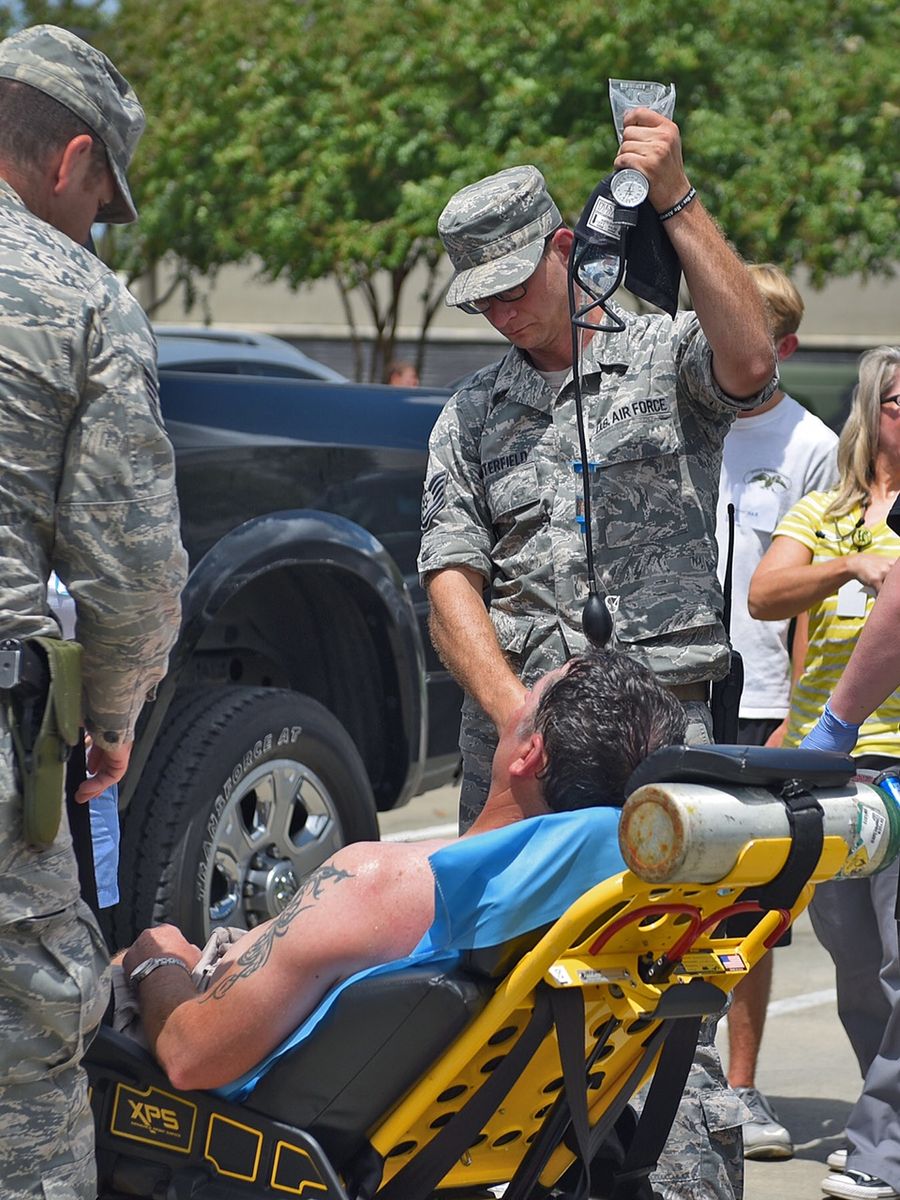
    Medics pouring water over a soldier lying on a stretcher in the shade
    Cool a heat stroke casualty with water, fast, and keep cooling
  9. Do not stop cooling to go for help, and keep cooling during transport. Expect vomiting, shivering, struggling, prolonged unconsciousness, a rebound within 48 hours, and be ready for cardiac arrest. A rebound means it can come back, so keep watching the person for two days, not two hours. CPR (pressing on the chest and breathing for someone) may be needed if the heart stops; a first aid class teaches it.

  10. Prevent it: rest in the heat of the day and work in the cool evening and night, drink at least once an hour, do not take your shirt off to work, and tell someone where you are going and when you will be back. The first aid manual also says heavy meals, alcohol, being worn out, a recent illness and being overweight all raise the risk. It says salt tablets should not be used to prevent heat illness.

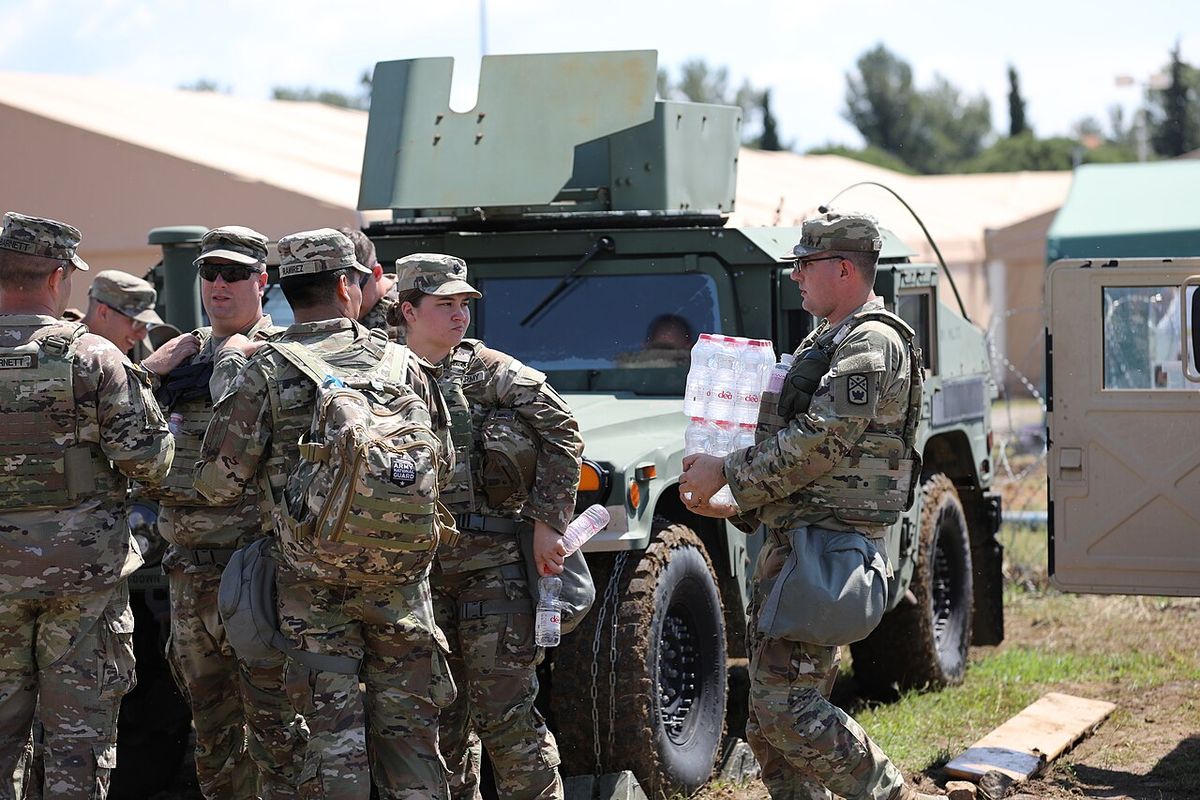
    Soldiers handing out bottles of water from the back of a truck
    Water passed out before work in the heat

Tips from survival instructors

  • In the heat, rest in the shade in the middle of the day and do hard work in the cool morning and evening.
  • Keep your clothes on, loose and light colored. They shade your skin and slow down sweat loss.

Common mistakes

  • Drinking only when thirsty. Drink on a schedule, at least once an hour, even when you do not feel like it.
  • Rationing water to make it last. The manual says rationing makes heat casualties; cut your work and sweat instead.
  • Taking your shirt off to cool down while working. Keep your clothes on, sleeves down, head and neck covered.
  • Resting on the bare hot ground. Get something between you and the ground, or lie up off it.
  • Giving salt tablets or salty drinks as first aid. The first aid manual says do not.
  • Stopping the cooling to go get help. Keep cooling, send someone else or call, and keep cooling on the way.

Practice it safely

On your next summer hike, set a timer and drink at least once an hour, and check your urine color at each stop. Plan the hard part of the walk for the cool morning or evening and rest in shade at midday.

With a friend, practice the buddy check: is anyone tired, quiet, dizzy, red-faced or wandering off from the group? In a yard, practice rigging shade with a tarp or jacket and wetting a cloth for the neck, armpits and groin. In a real emergency, call 911 if you have signal.

Quick check

Is thirst a good guide to how much to drink in the heat?

  • Yes
  • No; drink on a schedule and never ration water
  • Only in the morning
Show the answer

No; drink on a schedule and never ration water

Take the quiz and earn the badge

The app checks your answers, keeps your place in the First aid, and works with no signal once saved.

Before you rely on thisA learning tool, not a replacement for training. In an emergency, call 911.

Sources

Photo credits
Photo: U.S. Army USAGW by Roland Schedel, Public Domain, sourcePhoto: The National Guard, CC BY 2.0, sourcePhoto: Sgt. 1st Class Mathieu Perry, Public Domain, source

More on first aid