Animal sign
Rat droppings: how to tell them from mouse droppings and clean them up
Rat droppings are the clearest sign that rats are using a barn, shed, cabin or campsite. They are bigger than mouse droppings and should be cleaned up the same careful way, never swept dry.
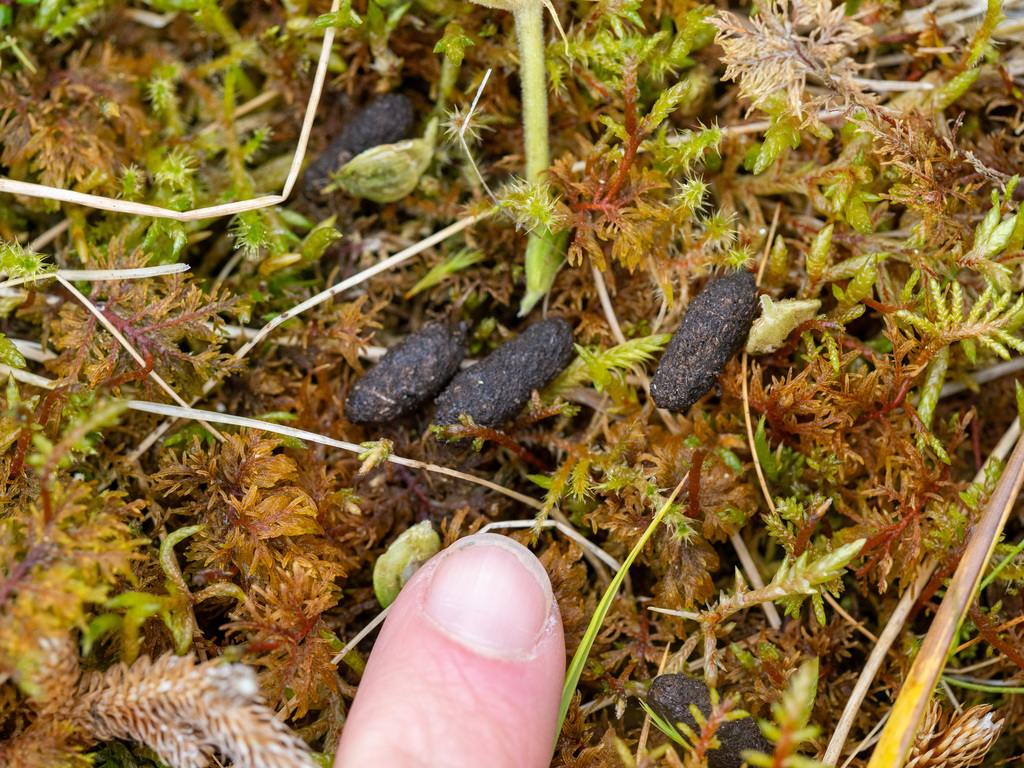
How to tell it
- Norway (brown) rat: capsule-shaped droppings about three-quarters of an inch long, with blunt ends.
- Roof (black) rat: about half an inch long, thinner and pointed at one or both ends.
- Dark and shiny when fresh, turning dull, gray and crumbly within days.
- Found along walls and runways, near food, and with greasy rub marks, gnawed wood and burrows nearby.
Where you find it
Norway rats live across the US around buildings, barns, docks, dumps and creek banks, often in burrows. Roof rats live mainly in the South and along the coasts, high in attics, trees and vines.
Scientific name: Rattus norvegicus and R. rattus
Look-alikes
Much smaller, like grains of rice, a quarter inch or less, with pointed ends.
Smaller and rounder, scattered under trees and in attics, often near chewed nut shells.
Tiny, like ground pepper or coffee grounds, with ridges along the sides.
What it tells you
Rats and their droppings and urine can spread illnesses to people, including leptospirosis and a hantavirus. The germs spread when dried droppings are swept or vacuumed into the air, or when food and water are dirtied. Fresh droppings mean rats are living there now.
What to do
- Do not sweep or vacuum droppings dry. Air the space out for 30 minutes first.
- Wear rubber or plastic gloves. Soak the droppings with disinfectant or a fresh bleach mix (1.5 cups of bleach in 1 gallon of water) and wait 5 minutes.
- Wipe up with paper towels, bag them, and put them in a covered trash can. Then disinfect the area and wash your hands well.
- Store food in sealed metal or hard plastic containers, and close up holes rats use.
The free app reads your photo, names the likely match, shows its look-alikes, and tells you what has been seen near your ZIP code.
Sources
Written in our own words from these public sources.